Cruise Ship Security Career Path
Explore how shipboard security professionals can progress from entry level guard duties to senior security leadership, with practical insight into responsibilities, earning ranges, promotion factors and the skills that matter at each stage.
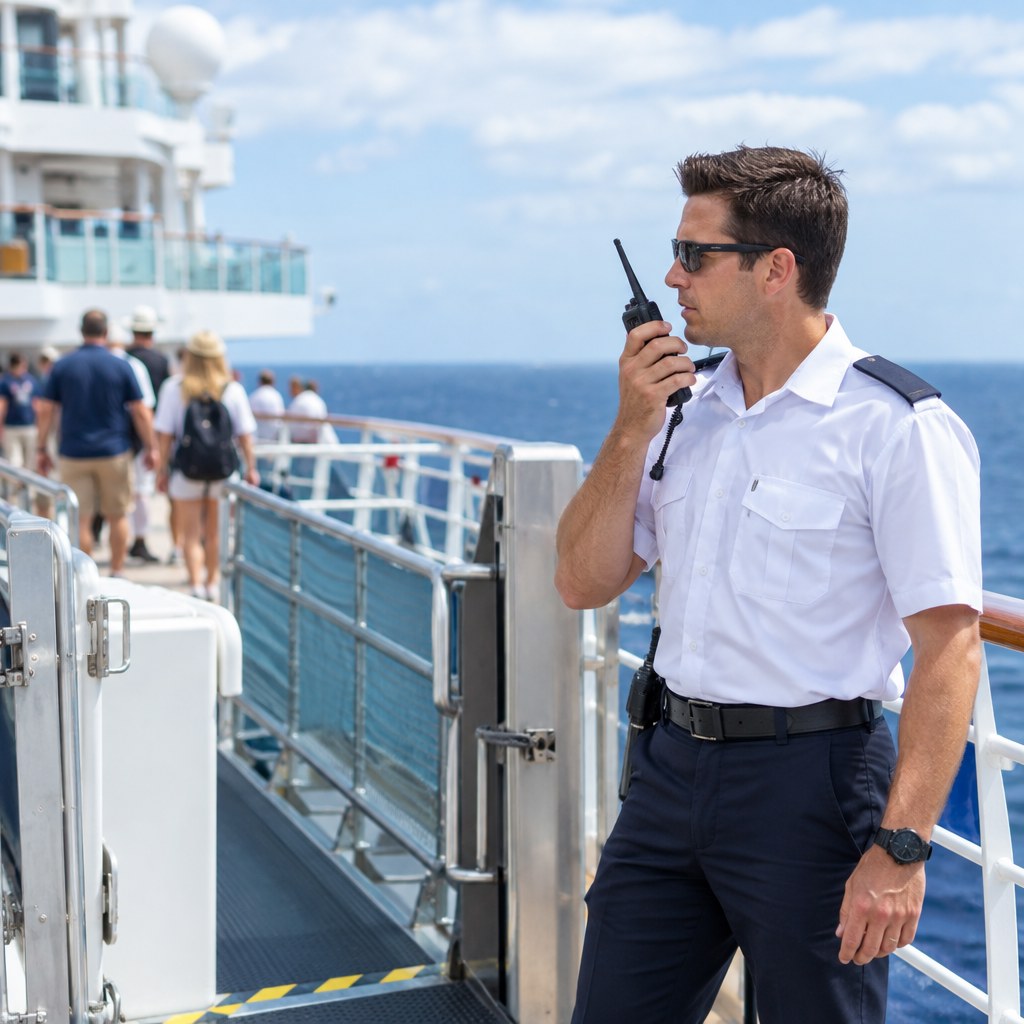
Explore the Security Timeline at Sea
Drag the progress line or tap a stage to move through the security journey, from entry-level guard roles to senior leadership as Chief Security Officer.
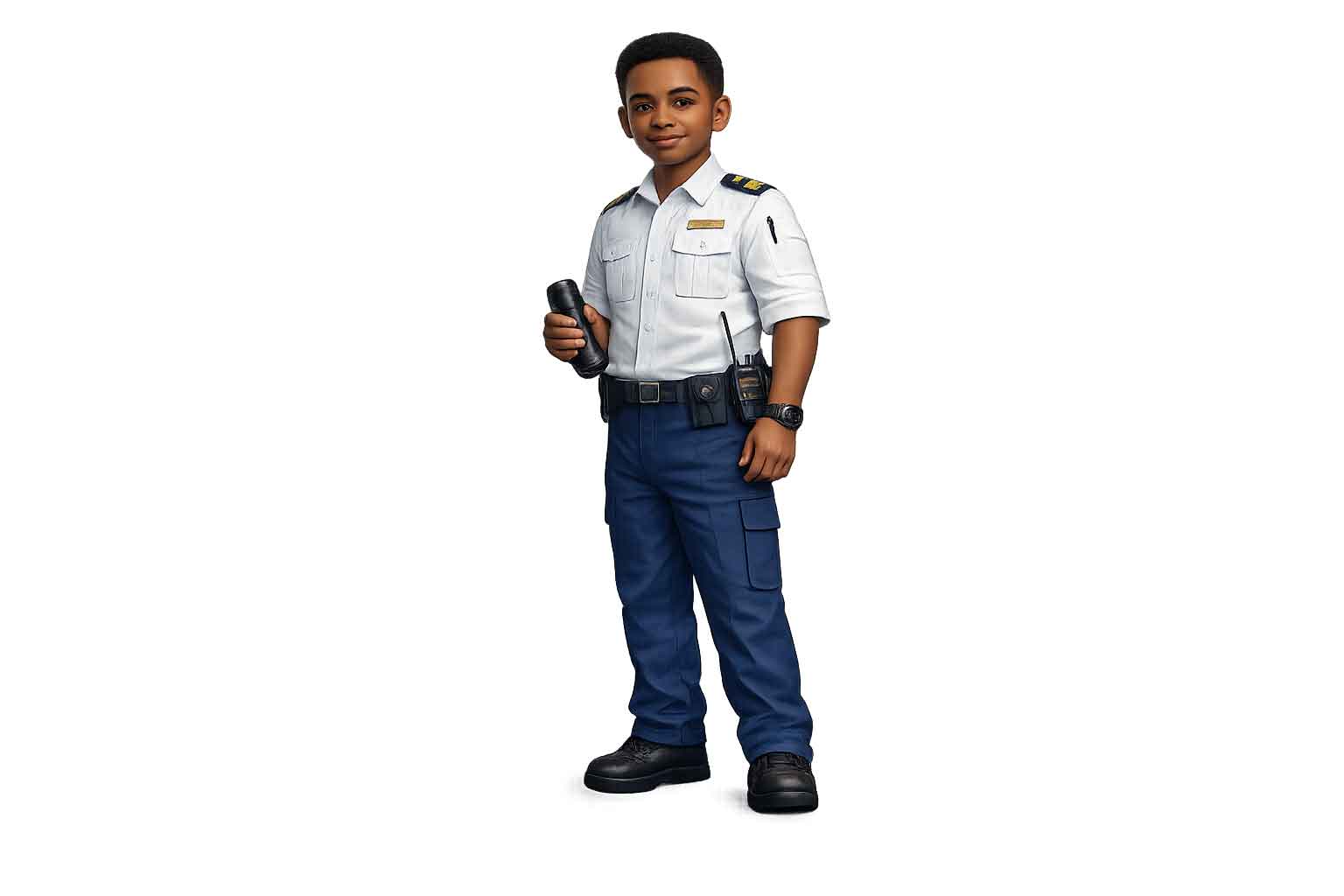
Security Guard
The foundation of the department. You focus on gangway security, deck patrols, baggage screening, and enforcing vessel safety regulations.
Salary Growth in Security
Monthly salary ranges shown as a guide. Actual pay varies by company, vessel, contract, and professional background.
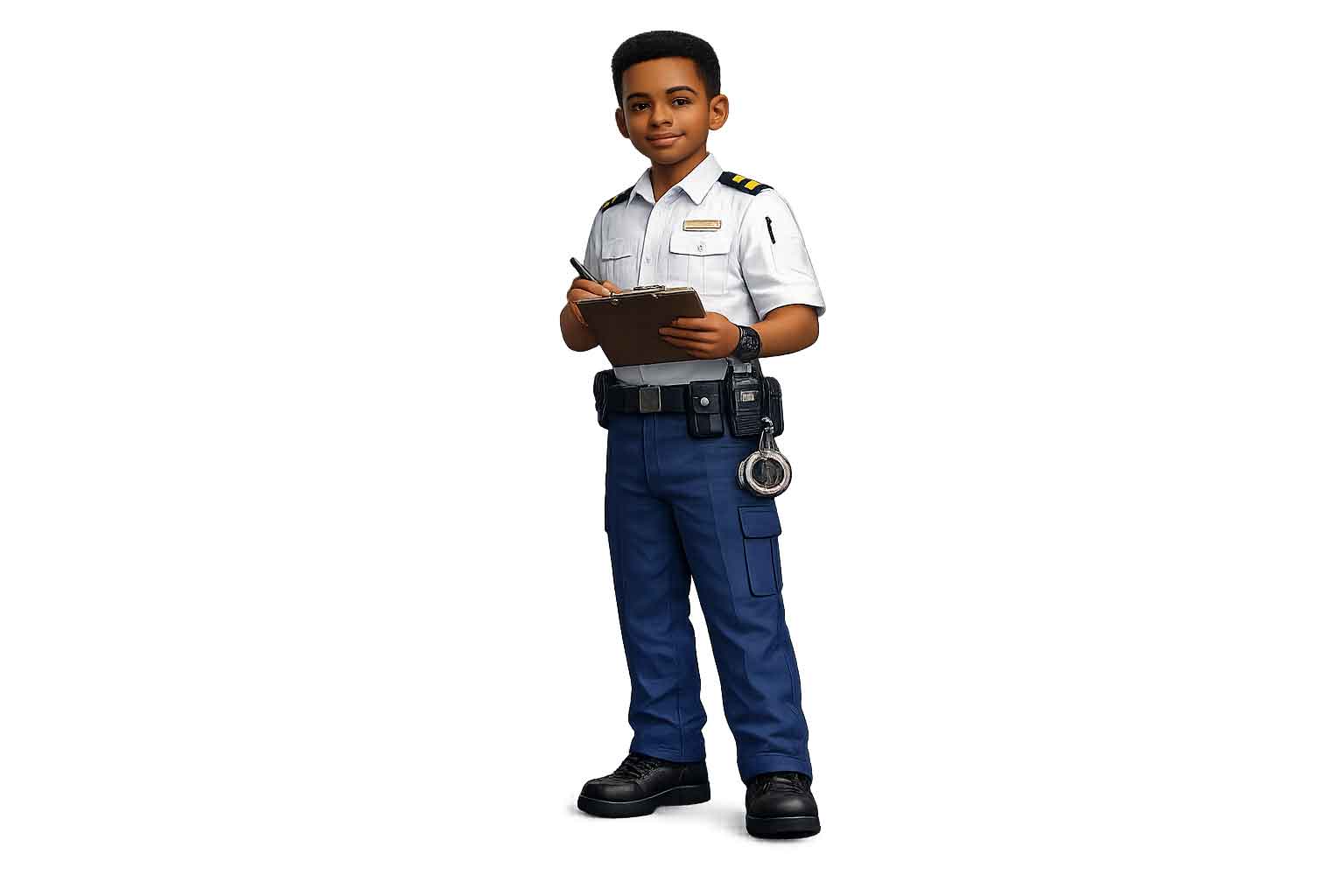
Why Security Salaries Are Powerful
Onboard security income goes much further because your primary living expenses are fully subsidized while you are under contract.
Your Growth Potential
From entry-level security guards to executive shipboard leadership, the earning journey in security grows as you master maritime law and vessel safety.
How Fast Can You Grow?
Career progression in the security department depends on your maritime law knowledge, incident response, leadership, and the specific licensing opportunities available onboard.
What helps you move up faster?
At this stage, promotion often comes from proving you can handle difficult guest interactions with professionalism, maintaining perfect alertness during late-night watches, and showing a deep understanding of ISPS safety codes.
What changes at this level?
You are expected to transition from observation to management. You must show independence in handling administrative reports, leading emergency response teams, and managing a squad of guards without constant supervision.
What unlocks the next jump?
Moving toward Deputy Chief Security Officer usually requires visible leadership during crises, stronger legal knowledge of international maritime law, and the ability to manage complex scheduling for the entire security team.
What matters most at senior level?
Senior promotions depend on high-level risk assessment, financial accountability for the department, flawless coordination with global law enforcement, and the ability to maintain absolute safety standards for thousands of guests.
Crew members with prior law enforcement, military, or high-level private security backgrounds often progress faster. Growth depends on your performance during audits, the speed at which you obtain maritime certifications, and how effectively you handle high-pressure safety incidents.

What Unlocks Promotion?
Moving up in the security department is not only about time on ship. It is about proving you are ready for high-level tactical and legal responsibility.
Why consistency matters
Vessel safety depends on relentless reliability. Being consistent means arriving on time for gangway duty, following search protocols perfectly every time, and maintaining a professional presence even during quiet night shifts.
Why technical skill matters
Promotion depends on more than physical presence. You must understand X-ray screening systems, CCTV monitoring software, body-worn camera protocols, and the legal requirements of international maritime security (ISPS).
Why leadership matters
Security leaders are trusted to de-escalate intense situations. You must be able to guide junior guards, support medical teams during emergencies, and stay focused while managing aggressive or confused individuals.
Why attitude matters
A disciplined attitude separates entry-level guards from future Officers. Discretion, respect for crew hierarchy, maturity, and positive energy help build the vital trust required by the Chief Security Officer.
Security crew who show exceptional discipline, pass their maritime security certifications early, and demonstrate a talent for incident management can often grow faster than the standard timeline.
Common Mistakes That Slow Promotion
Growth in the security department is not only about physical presence. Many guards stay in the same rank longer because of small habits that reduce operational trust and leadership confidence.
The security crew who grow fastest are often the ones who remove these mistakes early, stay coachable, and build trust through relentless daily performance, discipline, and total professionalism onboard.
How to Stand Out Faster
The security crew who move up fastest are usually not just physically capable. They are dependable, highly observant, disciplined, and trusted when safety incidents arise.
Why this stands out
Owning your watch shows maturity and readiness for leadership. It means your post is secure, your uniform is flawless, and your awareness is 100% even during quiet hours. That level of discipline builds operational trust quickly.
Why this stands out
Conflict reveals your true rank potential. When situations become intense, security staff who use verbal judo, stay calm, and resolve issues without unnecessary escalation are seen as prime candidates for Officer roles.
Why this stands out
Precision in reporting shows an attention to detail that senior management relies on. If your reports are factual, timely, and professionally written, you prove you can represent the ship in official legal matters.
Why this stands out
Proactivity is one of the strongest promotion signals in the Security Department. Spotting a blocked fire exit or an unsecured door before it's flagged by a senior officer shows you have a 360-degree safety mindset.
When the Chief Security Officer knows they can rely on your judgment, your career growth accelerates. In the maritime security world, trust is built through ISPS compliance, emotional intelligence, and the way you perform when the ship's safety is on the line.
A Day in the Life of a Security Crew Member
Explore how a typical day onboard flows, from gangway control to vessel-wide patrols. Tap each stage to see what security crew are usually doing throughout the day at sea.
The day starts with awareness.
Security crew begin the morning with a briefing from the Officer of the Watch, reviewing the night's log, checking equipment, and aligning on port-specific safety protocols.





Ready to Start Your Cruise Ship Security Journey?
If you are serious about building a professional security career at sea, the next move is to take action. Explore open security roles, apply for opportunities, or strengthen your tactical profile before submitting your application.
The security crew who move forward fastest are the ones who organize their certifications early, present their law enforcement or military background clearly, and apply with a firm understanding of maritime safety standards.
Frequently Asked Questions About Security Department Careers
Explore the most common questions regarding maritime security roles, tactical growth, and life as a safety professional onboard.
How much do cruise ship security officers earn?
What professional background is best for security roles?
What helps security crew get promoted onboard?
Is there a high savings potential in shipboard security?
Useful Pages for Future Security Crew
If you want to move from interest to action, these pages will help you understand the requirements, improve your application, and prepare properly for safety and security work onboard.