Cruise ship department guide

Cruise Ship Deck and Engine Jobs

Deck and Engine teams keep the vessel navigated, maintained, powered and operational. These departments include practical support roles, specialist technical work and licensed officer careers with responsibilities that grow as experience, sea service and qualifications increase.

This guide explains the difference between Deck and Engine pathways, the kinds of roles applicants may see, what the work involves and why maritime qualifications matter more here than in many hotel departments.

Two departments that keep the ship moving

Deck and Engine work closely together, but the technical focus is different. Deck is centred on navigation, vessel operations, exterior maintenance and safety duties. Engine and Technical teams focus on propulsion, machinery, electrical systems, utilities and the equipment that keeps the vessel functioning.

Deck is more than the bridge

The bridge is the navigation centre of the vessel, but Deck work also includes mooring, exterior maintenance, safety equipment, tender or boat operations where applicable and practical support around the ship.

At officer level, responsibilities move into watchkeeping, voyage planning, navigation systems, stability, emergency leadership and eventually command. At rating or support level, the work is more practical and operational.

Engine is more than the engine room

Marine engineering covers propulsion and machinery, but cruise ships also depend on electrical distribution, water systems, HVAC, refrigeration, plumbing, automation and other technical infrastructure.

Some jobs are hands-on support roles, while licensed engineers take watchkeeping, maintenance and system responsibility at higher levels. The exact structure depends on the vessel and cruise line.

Role requirements vary significantly: do not assume every Deck or Engine vacancy has the same certificate, sea-time or training requirement. Match your documents to the actual role and employer instructions before paying for additional courses.

Deck versus Engine: which pathway fits your background?

Choose based on the work you can actually do, not simply which department sounds more senior or exciting.

Navigation and vessel operations

Deck Department

Deck careers suit candidates interested in navigation, bridge operations, seamanship, vessel safety and practical exterior ship work. Entry or support pathways are different from licensed officer pathways, so your starting point depends on qualifications and experience.

Typical Deck responsibilities can include mooring, lookout or watch support, maintenance, lifesaving equipment, navigation support and progressively greater bridge responsibility.

  • Deck ratings and support roles
  • Deck cadet pathways
  • Officer of the Watch and navigation roles
  • Senior deck leadership and command progression
Explore Deck Career Path
Machinery and technical systems

Engine and Technical Department

Engine and Technical careers suit candidates with mechanical, electrical, maintenance or marine engineering backgrounds. The work ranges from ratings and technical support to licensed engineering responsibility.

Typical responsibilities can include machinery rounds, planned maintenance, repairs, electrical or utility systems, fault reporting, safety checks and progressively greater technical leadership.

  • Engine ratings and support roles
  • Mechanical and electrical pathways
  • Licensed engineering officer roles
  • Senior engineering and technical leadership
Explore Engine Career Path

Common Deck and Engine role areas

Job titles differ between companies. These examples help you understand the type of work, not guarantee that every cruise line uses the same hierarchy.

01Deck support

Deck Rating / Seaman Roles

Practical Deck work can include mooring support, exterior maintenance, lookout duties, safety equipment work and other seamanship tasks under the vessel's established procedures.

These roles suit applicants with relevant maritime or practical experience who meet the employer's role-specific requirements.

Titles and certification requirements vary by vacancy.
02Training pathway

Deck Cadet

A structured learning role for candidates following a recognised deck-officer training route. Cadets build supervised bridge and vessel experience while completing required training and sea-service evidence.

This is not the same as an ordinary entry-level hotel job because the pathway is tied to maritime training.

Cadet eligibility depends on the relevant training route.
03Navigation officer

Deck Officer Roles

Licensed Deck Officers can carry watchkeeping and navigation responsibilities, with senior roles adding passage planning, stability, safety leadership, security oversight and wider vessel management.

The level you can apply for depends on the certificates, endorsements, sea service and experience accepted for that rank.

Officer roles are qualification-dependent.
04Engine support

Wiper / Oiler / Engine Rating

Engine ratings support machinery-space operations, cleaning, inspections, maintenance and practical technical work according to role and vessel.

Strong safety habits, tool discipline, reporting and reliability are important because technical spaces operate around machinery and controlled procedures.

Exact rating titles vary by company.
05Technical specialist

Electrical and Technical Roles

Cruise ships need technical specialists across areas such as electrical systems, HVAC, refrigeration, plumbing, water systems, automation and other vessel infrastructure.

Applicants should make trade qualifications and practical system experience clear because these jobs are usually more specialised than general maintenance work.

Specialist roles depend on vessel systems and current vacancies.
06Engineering officer

Marine Engineer Roles

Licensed engineers take responsibility for machinery, watchkeeping, maintenance planning and technical systems at different levels of seniority.

Senior progression can lead toward wider operational control and Chief Engineer responsibility, but advancement depends on qualifications, sea service and demonstrated competence.

Licensed roles require the appropriate accepted credentials.
How the work can differ day to day

Both departments are operational, but the daily focus changes with rank, watch pattern, planned maintenance, itinerary and vessel needs.

Work areaDeck examplesEngine and technical examples
Watch or dutyBridge watchkeeping, lookout support, deck rounds or assigned vessel-safety duties.Machinery rounds, engineering watchkeeping, system monitoring or technical duty coverage.
MaintenanceExterior upkeep, deck equipment, safety equipment and practical seamanship tasks.Planned machinery maintenance, troubleshooting, repairs and system inspections.
Port operationsMooring, gangway or operational support depending on role and assignment.Monitoring machinery and utilities during arrival, departure and port operation.
SafetyDrills, emergency stations, lifesaving equipment and role-specific safety responsibilities.Drills, machinery-safety procedures, isolation or permit systems and emergency technical response.
ProgressionMore responsibility through sea service, training and higher accepted deck qualifications.Greater system and leadership responsibility through technical competence, sea service and higher accepted engineering qualifications.

This comparison is deliberately broad. Actual watch schedules and responsibilities are determined by the vessel, employer, rank and applicable maritime requirements.

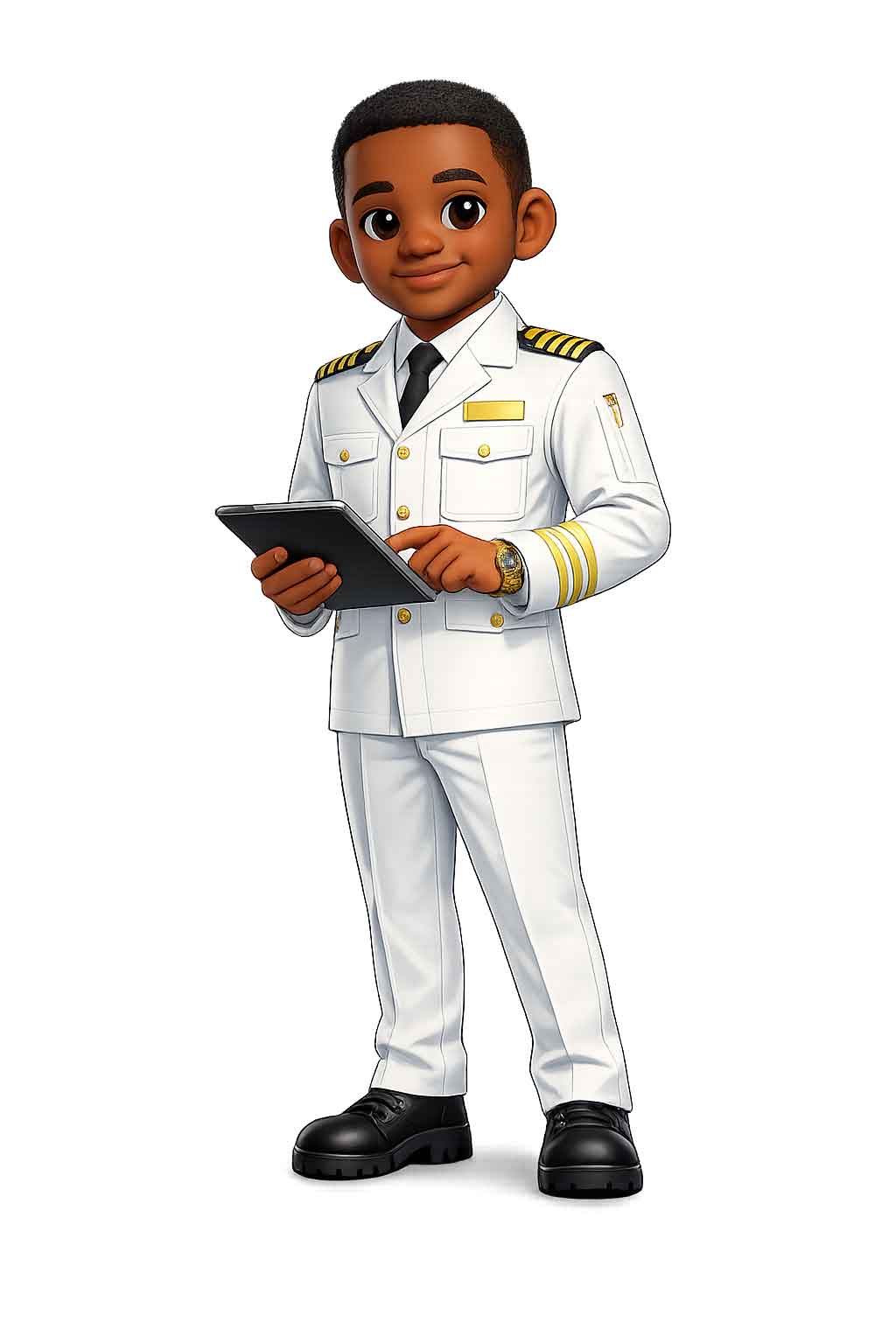
Cruise ship engineer working with a tablet in the technical department
Technical work onboard

Professionalism is measured in reliability

Deck and Engine careers are built around systems that have to work safely every day. A good candidate is not only technically capable. They report accurately, follow procedures, communicate clearly and can be trusted to carry out assigned work consistently.

On the bridge, that may mean disciplined watchkeeping, navigation support and careful operational communication. In technical spaces, it may mean accurate rounds, safe tool use, clean maintenance practices and clear reporting when something changes.

As responsibility increases, leadership matters more. Senior officers and engineers are trusted with people, equipment, compliance and decisions that affect the vessel as a whole.

Qualifications and training: check before you pay

Deck and Engine are among the departments where role-specific maritime credentials can matter most. The correct route depends on the position you are actually applying for.

General preparation

Applicants should begin with the vacancy, their real experience and the documents the employer asks for. A valid passport, clear CV, references and medical or safety documentation may form part of the wider joining process.

  • Use accurate job titles and employment dates
  • Show trade, maritime or technical qualifications clearly
  • Keep certificates current and legible
  • Do not claim officer-level readiness without the required credentials

Role-specific maritime requirements

Some vacancies may require STCW training, security duties, survival training, Certificates of Competency, endorsements or other evidence linked to the role. Requirements differ significantly between ratings, cadets, officers and technical specialists.

  • Confirm the exact course or certificate wording required
  • Use accepted training providers where approval matters
  • Check whether sea-service evidence or endorsements apply
  • Ask before repeating training you already hold
Application readiness

Before you apply for a Deck or Engine role

Technical departments reward precise applications. Your CV and certificates should make it easy for a recruiter to see what you are qualified to do right now.

Do not apply at officer level simply because you have general marine experience. Match the vacancy to the licence, sea service, trade background or technical responsibility you can actually prove.

Long-term progression can be substantial

Deck and Engine careers can develop over many contracts, but the pathway is not automatic. Sea service, examinations, accepted certificates, performance, vacancies and leadership all influence progression. The dedicated career-path pages go deeper into each route.

Deck pathway examples

Deck support
Deck Cadet
Junior Officer
Senior Deck Officer
Master / Captain

Engine pathway examples

Engine Rating
Oiler / Motorman
Junior Engineer
Senior Engineer
Chief Engineer

Deck and Engine jobs FAQ

These answers are intentionally general because qualification and licensing rules depend on the exact maritime role and assignment.

Do I need previous ship experience for Deck or Engine jobs?

It depends on the role. Some support or trainee pathways may be open to candidates building maritime experience, while licensed officer and specialist positions require specific qualifications and relevant experience.

Are Deck and Engine jobs entry-level?

Some support roles can be lower-entry pathways, but many positions are skilled, licensed or specialist careers. Do not assume the department itself is entry-level.

Do all Deck and Engine applicants need STCW?

Training requirements depend on the position and assignment. Review the vacancy and employer instructions before booking courses. The STCW Basic Safety Training guide explains the broader context.

What is the difference between a rating and an officer?

A rating generally performs operational or support duties appropriate to that role, while officers carry licensed responsibilities at different levels of seniority. The exact distinction and qualification route depends on the maritime position.

Can land-based technical experience help?

Yes, especially for some electrical, HVAC, plumbing, maintenance and technical specialist roles. However, marine-specific positions may still require maritime qualifications, sea service or accepted certification.

Which department should I choose?

Deck is a better fit for navigation, seamanship, vessel operations and safety-focused careers. Engine and Technical is a better fit for machinery, electrical systems, repairs, utilities and engineering. Choose the path that matches your real experience and training.

How do I make my CV stronger for technical roles?

List the systems, machinery, trades, licences or responsibilities you have actually worked with. Avoid generic wording. The CV Writing for Cruise Ship Jobs guide can help structure the application.

Can I move from support work into officer roles?

Career development is possible, but officer progression usually requires the relevant training, sea service, examinations and accepted certificates. Use the dedicated Deck or Engine career-path page for a deeper view.

Apply at the level your qualifications actually support

Deck and Engine careers reward technical competence, discipline and long-term development. Start with the role you are genuinely qualified for, keep your documents organised and build from there.

Scroll to Top