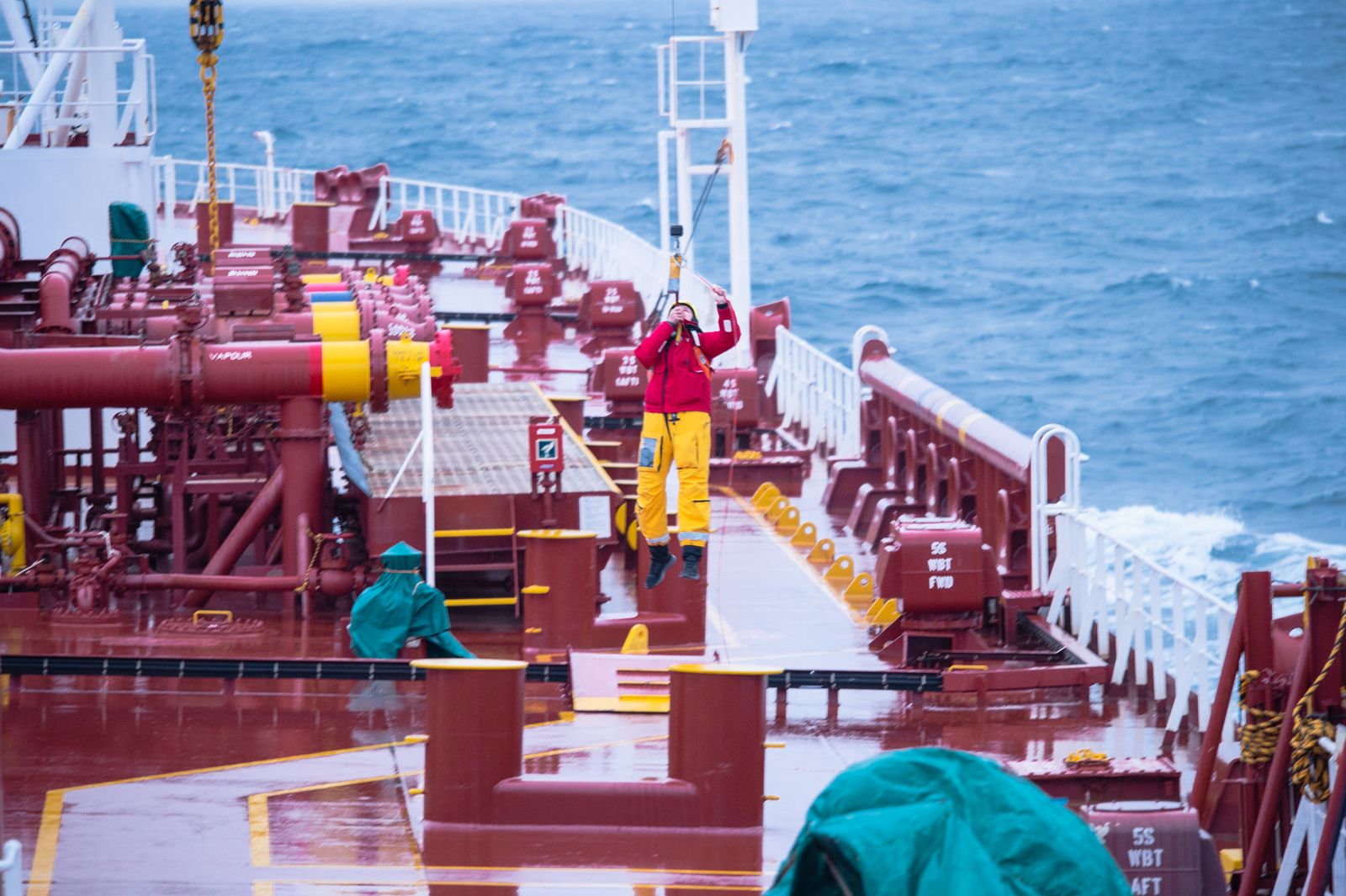
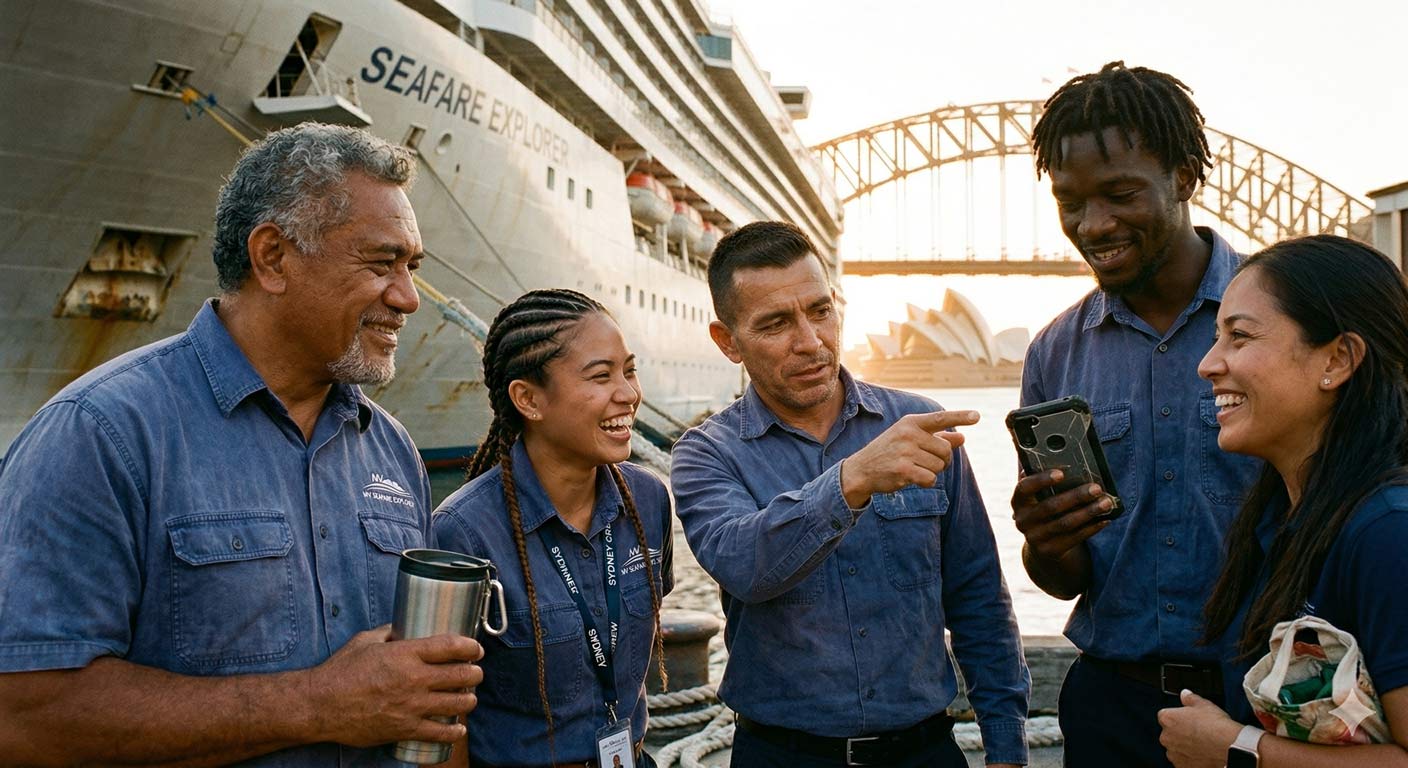
Working at sea can place you on itineraries that move through the Caribbean, Alaska, Europe, Asia, the South Pacific, Australia and New Zealand, South America, and other major cruise regions.
Working Around The World
What travel really means when you work on a cruise ship
One of the unusual parts of shipboard work is that your workplace moves. A contract may include repeated calls in one region, a seasonal change between cruising areas, or a repositioning voyage that moves the ship from one part of the world to another.
The destinations on this page are examples drawn from the route explorer below. They show the kinds of ports and regions that can appear on cruise itineraries, but they should not be treated as a promise that every crew member will visit every destination. Your actual route depends on the cruise line, ship, contract dates, operating schedule, and itinerary assigned to your vessel.
Travel as a crew member is also different from travelling as a passenger. You are onboard to work first. Shore time can be a valuable part of the experience, but it depends on your duty schedule, operational needs, local immigration or security requirements, and whether the ship has been cleared for crew to go ashore.
Search the map by port, country, or region. The route explorer includes examples from major cruise areas and shows how a ship may move between ports during different types of itineraries.
EXPLORE CRUISE REGIONS AND PORTS AROUND THE WORLD
Explore example cruise regions, ports, and route patterns that can form part of a shipboard contract. Use the map to search destinations and compare how itineraries move between regions.
International travel is part of many cruise contracts, but the amount of shore time available depends on your role, schedule, and the ship's operation.Port Days
A port call does not automatically mean a day off
Cruise ships can arrive in exciting destinations while part of the crew is still working. Some departments are busiest when guests are leaving or returning to the ship, while other crew may have a window of free time between duties.
Whether you can go ashore may depend on your shift, safety duties, training, inspections, drills, departmental workload, immigration rules, local restrictions, and how long the vessel is alongside. Even when shore leave is possible, crew normally need to return well before the ship's departure time.
It is better to think of travel as an added benefit of the job rather than the main purpose of the contract. The strongest crew members learn to enjoy the ports they can visit without allowing sightseeing plans to interfere with work, rest, or shipboard responsibilities.
Practical point: never make non-refundable personal plans around a port call until you understand your actual duty schedule and the ship's crew shore-leave arrangements.
Seasonal Itineraries
Why your route can change during the same contract
Cruise ships often operate seasonally. A vessel may spend part of the year in one cruising region and later reposition to another market. This is why some contracts include very repetitive weekly itineraries while others expose crew to several different countries or regions.
Weather, commercial scheduling, maintenance periods, charter work, port availability, and itinerary changes can all affect where a ship operates. Crew should therefore treat published itineraries as working plans rather than guaranteed personal travel schedules.
Joining and leaving the ship can also happen in different countries. Your sign-on and sign-off travel arrangements are separate from ordinary shore leave and may involve flights, transfers, visas, seafarer documents, or company instructions that need to be followed carefully.
Examples From The Explorer
Major cruise regions crew may encounter
The interactive explorer includes many route families. These are some of the largest examples already represented in the page's map data.
Caribbean
Island-heavy routes with examples including the Bahamas, Mexico, Jamaica, Puerto Rico, Aruba, and other Caribbean ports.
Alaska
Cooler-weather itineraries through ports such as Juneau, Ketchikan, Skagway, Vancouver, and scenic glacier areas.
Mediterranean
Port-intensive routes across countries such as Spain, France, Italy, Malta, Croatia, Montenegro, Greece, and Turkey.
Northern Europe
Examples include the United Kingdom, Norway, Denmark, Sweden, Finland, Estonia, Latvia, Poland, and Germany.
Asia
The explorer includes example ports in Japan, South Korea, Taiwan, Hong Kong, Vietnam, Thailand, and Singapore.
Australia & New Zealand
Routes can combine major Australian cities, Tasmania, New Zealand ports, and trans-Tasman sea days.
South America
Example routes stretch through Brazil, Uruguay, Argentina, Chile, Patagonia, and southern scenic cruising areas.
Panama Canal & Ocean Crossings
Longer itineraries may include canal transits, Central America, Colombia, transatlantic crossings, or repositioning voyages.
Planning Your Port Time
How crew can make shore time easier and safer
When you do have free time in port, start with the practical details. Know the ship's required return time, confirm whether ship time matches local time, and leave a sensible buffer for transport delays, security checks, queues, or an unfamiliar route back to the terminal. Missing the ship can create serious personal and employment problems, so the safest port day is one planned around getting back early rather than squeezing every possible minute out of the visit.
Keep the essentials simple. Carry the crew identification or documents your ship instructs you to take ashore, keep the ship or agent contact information accessible, and avoid carrying more cash or valuables than you need. In some ports cards are widely accepted, while in others small amounts of local currency may be more practical for transport, food, or basic purchases.
Connectivity can also change from one port to the next. Crew often use shore time to contact family, manage banking, update documents, or simply get reliable internet away from the ship. Public Wi-Fi can be convenient, but important account activity is safer on a trusted connection where possible.
Good port habits are usually simple: understand the local area before leaving the terminal, use reputable transport, respect local laws and customs, look after your belongings, and return to the ship with time to spare. A relaxed two-hour visit can be far more enjoyable than an ambitious plan that leaves you rushing back to the gangway.
Regional Differences
The same contract can involve very different climates and routines
A crew member moving between regions may experience large changes in weather, daylight, sea conditions, port infrastructure, and the type of clothing needed ashore. Caribbean or Southeast Asian routes may feel hot and humid, while Alaska, Northern Europe, or southern South America can require warmer layers and better rain protection.
Port intensity also varies. Some itineraries call at a destination almost every day, while ocean crossings and repositioning voyages can include longer stretches at sea. Busy port sequences can mean frequent guest movements and operational pressure, while consecutive sea days can shift the workload toward onboard activities, maintenance, training, and guest service.
Languages, currencies, local transport, and opening hours can change quickly when a ship visits several countries in one week. Crew do not need to become travel experts, but learning a few practical details before going ashore can make limited free time much more useful.
Seasonal movement is one of the reasons cruise work can feel so varied. A ship may spend months repeating one region before relocating elsewhere. Crew who stay for a full contract can therefore experience either a very stable route pattern or several completely different cruising areas depending on the vessel and time of year.
Joining And Leaving The Ship
Your most important travel days may be sign-on and sign-off
For many crew members, the most important travel planning happens before the contract starts and after it ends. Joining the vessel may involve international flights, airport transfers, hotel instructions, a specific embarkation terminal, and a narrow reporting window. Follow the latest company travel instructions rather than relying only on the public cruise itinerary.
Keep your passport, visas, seafarer documents, medical paperwork, joining letter, emergency contact details, and travel confirmations where you can reach them during the journey. Checked baggage can be delayed, so documents needed to travel or board the ship should not be packed where you cannot access them.
Sign-off can be just as organised. The ship may disembark crew early in the day, transport arrangements can be tightly scheduled, and travel plans may change if the vessel's itinerary changes. Confirm instructions onboard before making independent plans around your final port.
Prepare For International Travel
Documents matter as much as destinations
International crew travel requires more than knowing where the ship is going. Depending on your nationality, role, cruise line, and itinerary, you may need a valid passport, seafarer documents, transit or crew visas, medical clearance, travel instructions, and other joining documents before you can board.
Keep important documents organised and accessible while travelling to join the ship. Check names, dates, validity periods, and company instructions carefully. A beautiful itinerary is irrelevant if you cannot legally travel to the joining port or satisfy the cruise line's embarkation requirements.
For career planning, it also helps to understand that travel demands vary by department. Some roles may spend more time guest-facing in port, some may remain operational throughout the day, and senior roles can carry responsibilities that limit how often they leave the vessel.
No. Shore leave depends on your work schedule, operational needs, shipboard duties, local clearance, immigration requirements, and the time available in port.
Can my itinerary change after I join the ship?
Yes. Cruise itineraries can change for operational, weather, commercial, safety, port, or scheduling reasons. Crew should follow the latest ship and company instructions.
Do crew pay for travel between ports during a contract?
Normal movement between itinerary ports happens onboard the ship. Separate joining and sign-off travel arrangements depend on the cruise line, contract, and company travel policy.
Can two crew members on the same ship have very different port experiences?
Yes. Departments and positions have different duty patterns. One crew member may have free time during a port call while another is working, training, on safety duty, or resting between shifts.