Explore the Technical Timeline at Sea
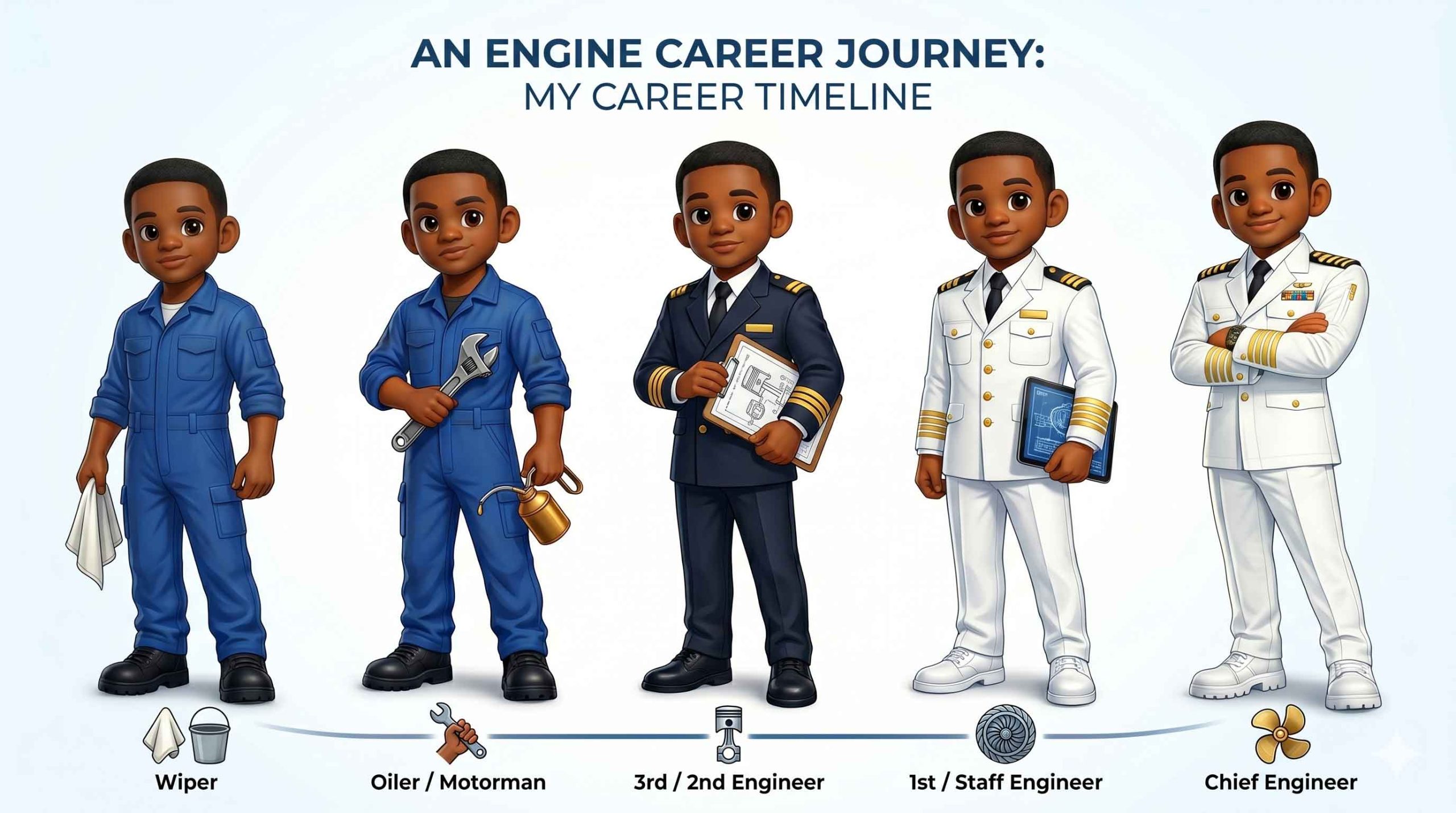
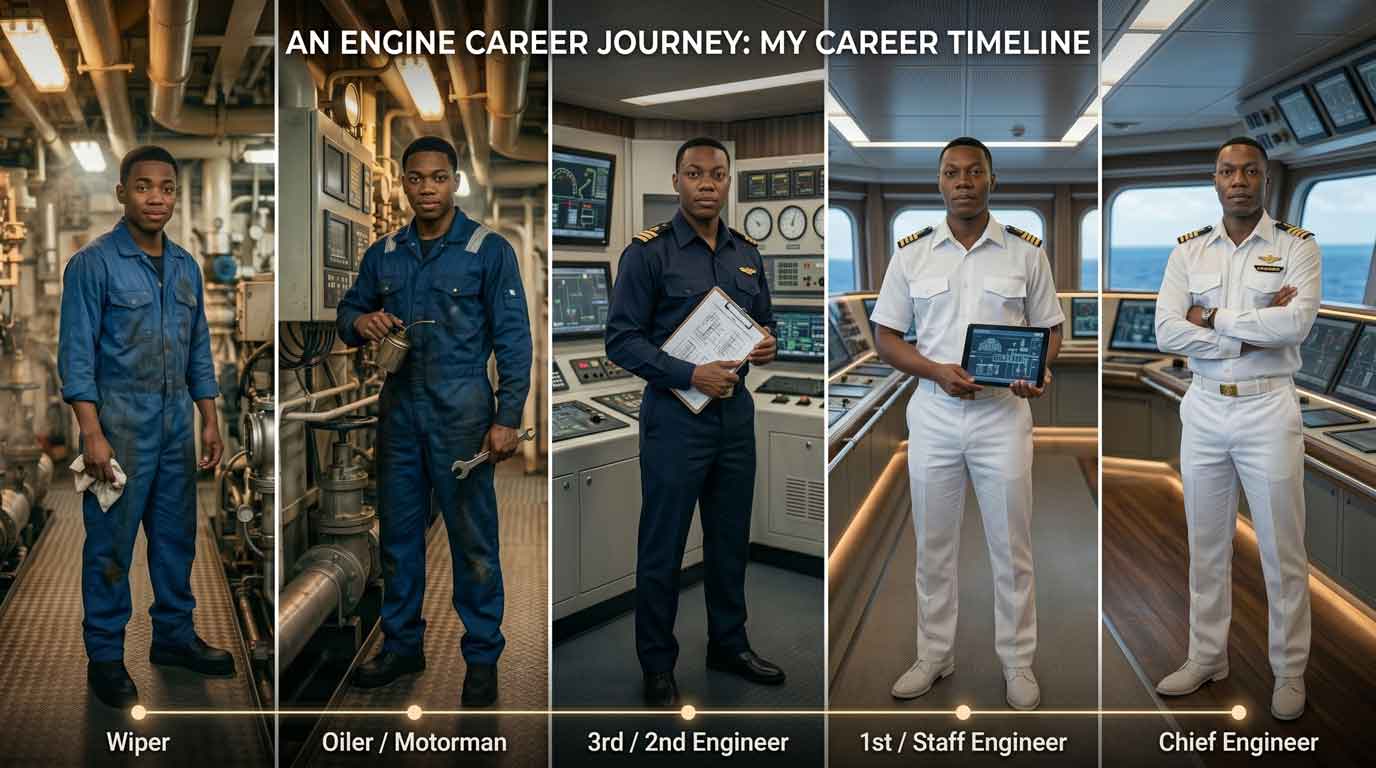
Drag the progress line or tap a stage to move through the engineering journey, from entry-level technical support to Chief Engineer leadership onboard.

Engine Wiper / Rating
This is where the technical journey begins. You learn engine room safety, maintenance basics, sanitation of machinery spaces, and how to support senior engineers.
Salary Growth in the Engine Department
Monthly salary ranges shown as a guide. Actual technical pay varies by company, vessel size, licensing, and years of sea service.
Why Technical Salaries Are Powerful
Onboard engineering income goes much further because your primary living expenses are fully subsidized by the cruise line.
Your Growth Potential
From entry-level ratings and wipers to senior Chief Engineers, the earning journey in the technical department grows significantly with licensing.
How Fast Can You Grow?
Technical progression depends on your sea time, successful licensing exams, mechanical competence, and leadership ability onboard.
What helps you move up faster?
At this stage, promotion comes from proving you are safety-conscious, physically capable of demanding tasks, and proactive in supporting senior engineers during maintenance.
What changes at this level?
You shift from manual tasks to technical responsibility. You must demonstrate a deep understanding of fuel, water, and power systems while managing junior ratings effectively.
What unlocks the next jump?
Moving toward First Engineer requires advanced licensing, expert troubleshooting skills, and the ability to manage large mechanical overhauls while keeping the ship on schedule.
What matters most at senior level?
Chief Engineer roles depend on executive leadership, financial accountability for millions in fuel and parts, and maintaining 100% compliance with international maritime laws.
Technical crew who complete their "Sea Time" and pass their officer exams early can progress much faster. Growth is heavily tied to your ability to secure higher-grade certificates of competency (CoC) and showing absolute reliability in machinery emergencies.
What Unlocks Promotion?
Moving up in the technical department is not only about time. It is about proving that you are ready for greater operational responsibility.
Why consistency matters
Engine rooms depend on absolute reliability. Being consistent means arriving on time for your watch, following maintenance protocols strictly, and ensuring machinery operates at peak efficiency during every shift.
Why technical skill matters
Promotion depends on mechanical expertise. You must understand power distribution, fuel systems, safety shutdowns, and environmental compliance (MARPOL) while executing repairs with precision and speed.
Why leadership matters
Senior engineers are trusted to lead teams during overhauls. You must be able to guide oilers and wipers, prioritize urgent repairs, and stay focused during machinery emergencies or black-out drills.
Why safety matters
In the engine room, attitude toward safety is the highest priority. Professionalism, strict adherence to permit-to-work systems, and a proactive approach to risk assessment build trust with the Chief Engineer.
Crew who show strong technical discipline and pass their certificate of competency (CoC) exams early can often progress much faster than the standard seniority-based timeline.

Common Mistakes That Slow Promotion
Growth in the technical department is not only about mechanical skill. Many crew members stay in the same rank longer because of habits that reduce operational trust and leadership confidence.
The technical crew who grow fastest are the ones who stay coachable, prioritize safety, and build trust through relentless daily performance and proactive licensing advancement onboard.
How to Stand Out Faster
The technical crew who move up fastest are usually not just skilled with a wrench. They are dependable, proactive, safety-focused, and trusted when machinery alarms ring.
Why this stands out
Owning your space shows technical maturity. It means your tools are shadowed, bilges are dry, and maintenance logs are current before a senior officer even enters the room. That ownership builds operational trust quickly.
Why this stands out
Emergency response reveals true competence. When the plant is down, technical staff who stay calm, communicate clearly via radio, and follow safety protocols are seen as future officer material.
Why this stands out
Proactive crew show ambition and foresight. When you are ahead of your sea-time requirements and ready for your next CoC exam, management is more likely to mentor you for higher-level leadership roles.
Why this stands out
Reliability is the foundation of engine room safety. Being punctual, prepared, and observant every watch shows the technical team that they can count on you when vessel systems and safety matter most.
When senior engineers know they can rely on your mechanical judgment, your growth accelerates. In the engine room, trust is built through safety discipline, consistent rounds, and your performance when technical pressure rises.
A Day in the Life of a Technical Crew Member
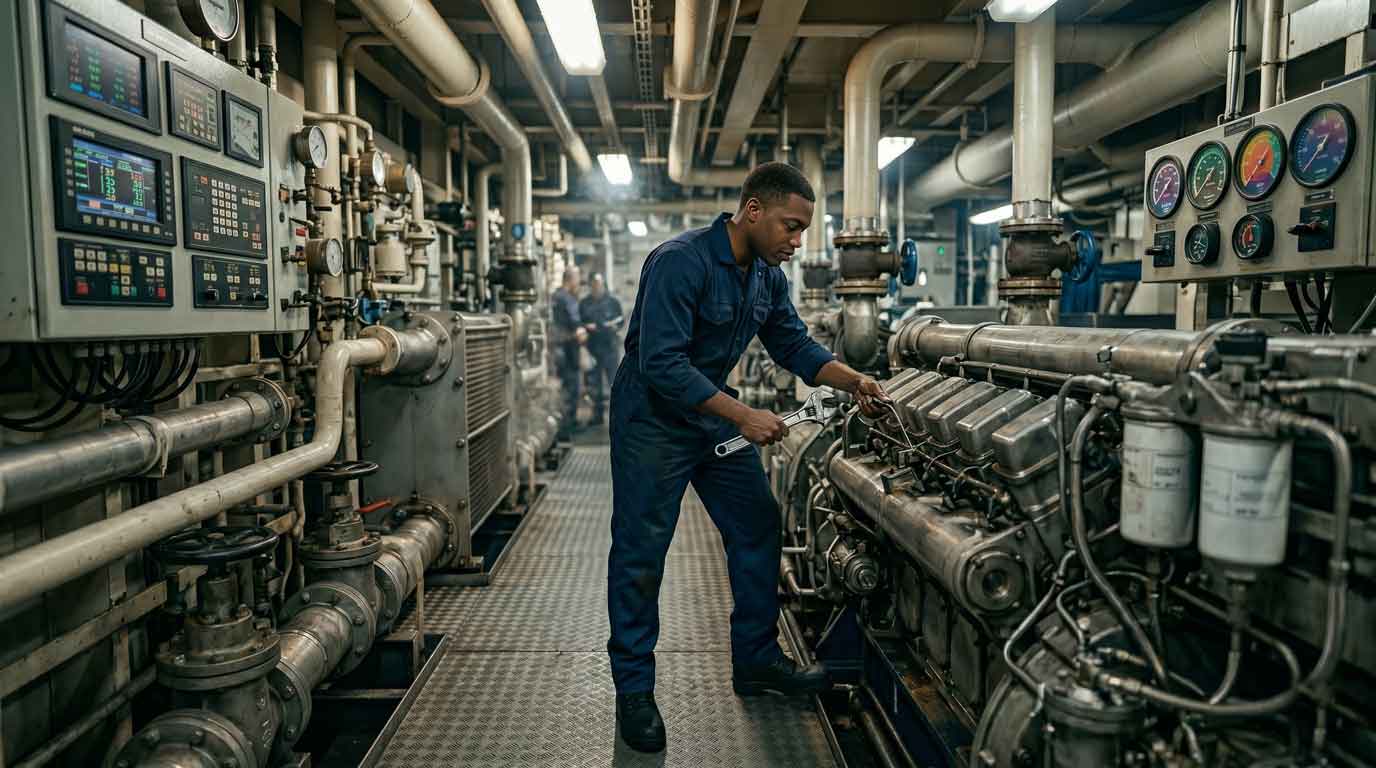
Explore how a typical day onboard flows, from machinery rounds to critical maintenance. Tap each stage to see what technical crew are usually doing throughout the day at sea.
The engine room never sleeps.
Technical crew begin with a thorough watch handover, checking the status of main engines, generators, and auxiliary systems. Safety briefings and tool box talks set the day's agenda.


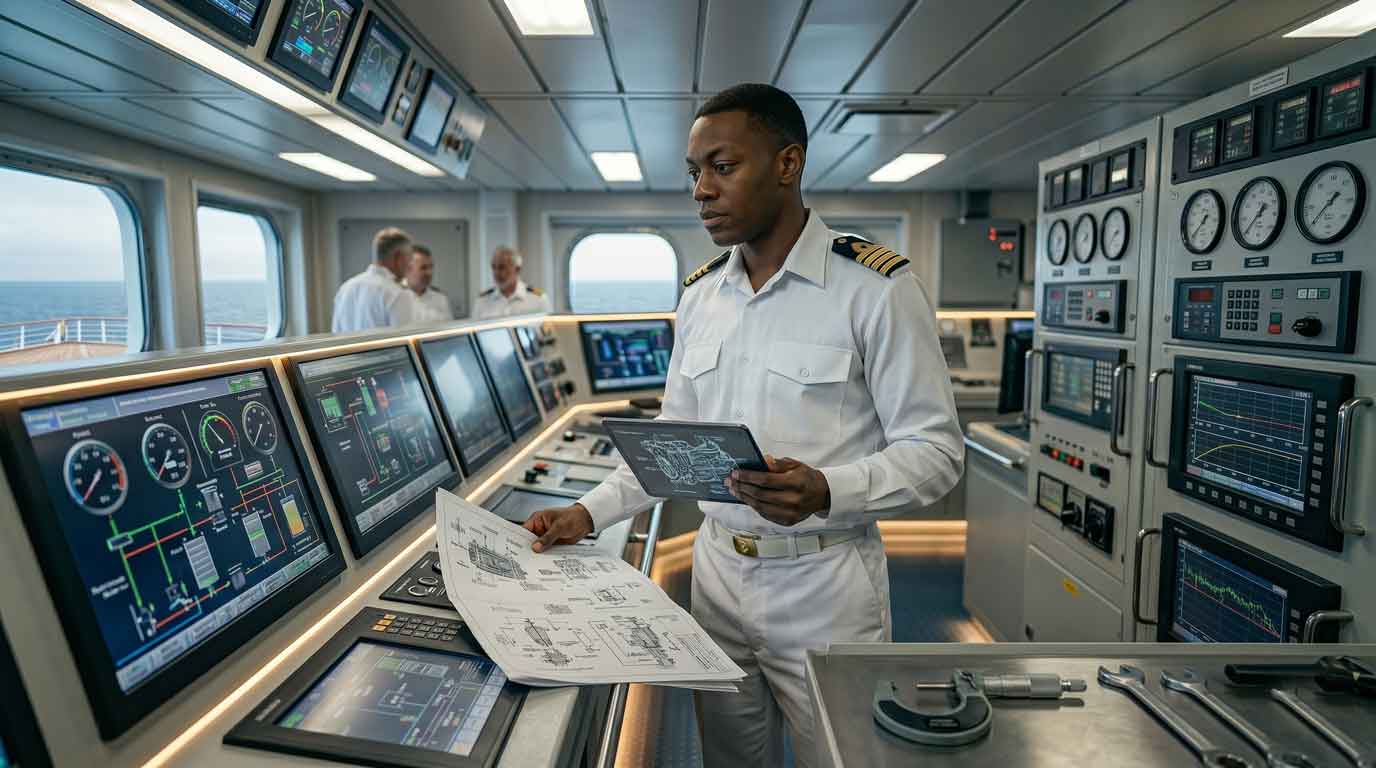
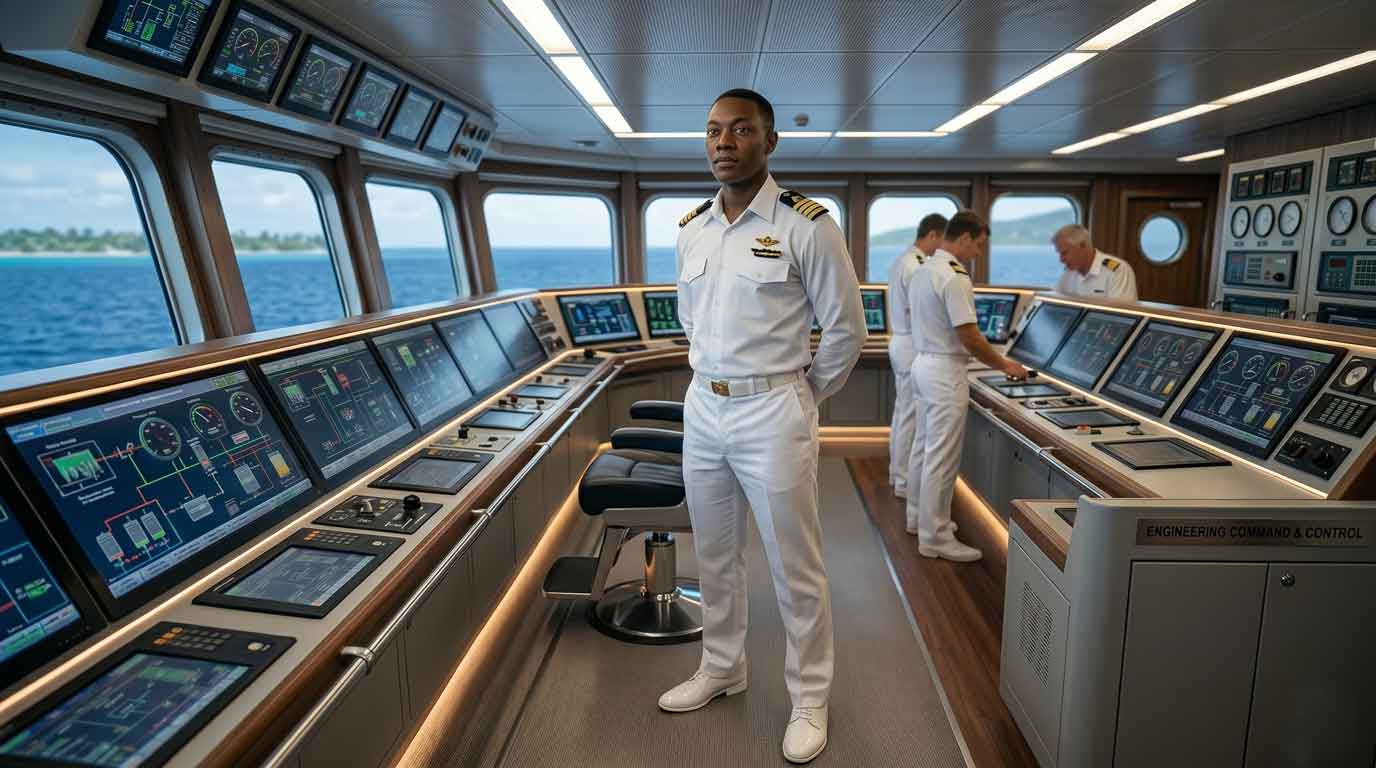
Ready to Start Your Cruise Ship Technical Journey?
If you are serious about building a marine engineering career at sea, the next move is to take action. Explore open technical roles, apply for opportunities, or strengthen your professional profile before submitting your application.
The technical crew who move forward fastest are usually the ones who organize their certificates early, present their mechanical expertise well, and apply with a clear understanding of marine safety standards.
Frequently Asked Questions About Engine Department Careers
Explore the most common questions regarding technical roles, certifications, and career growth within the engine room.
How much do cruise ship engineers earn?
What is the fastest way to get promoted in the engine room?
Do I need specific qualifications to work in the engine department?
Is it easier to save money as a technical crew member?
Useful Pages for Future Marine Engineers
If you want to move from interest to action, these pages will help you understand technical requirements, improve your application, and prepare for high-level work in the engine room.