Explore the IT Timeline at Sea
Drag the progress line or tap a stage to move through the maritime tech journey, from systems support to managing the digital infrastructure of a smart ship.
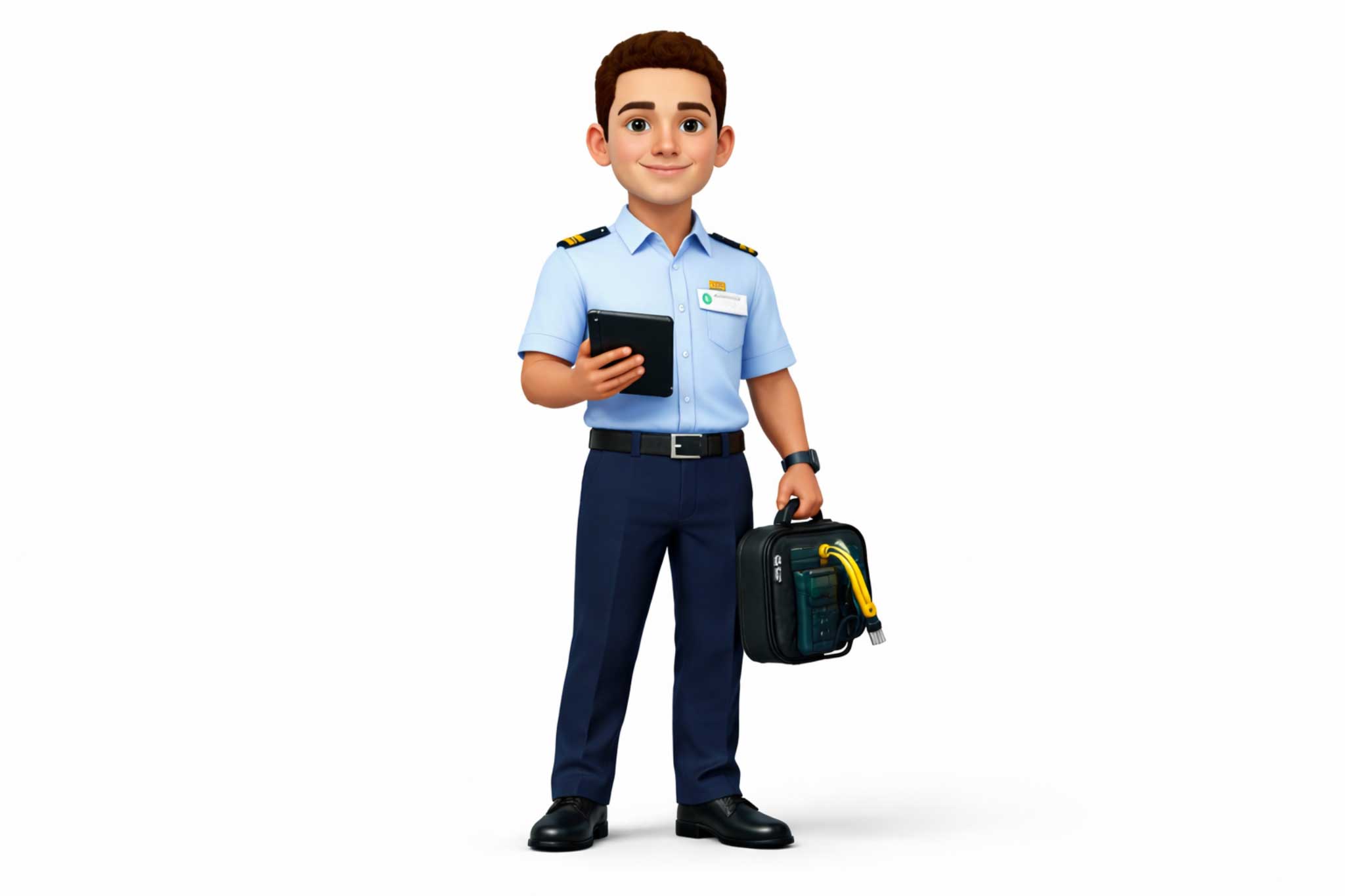
IT Support Officer
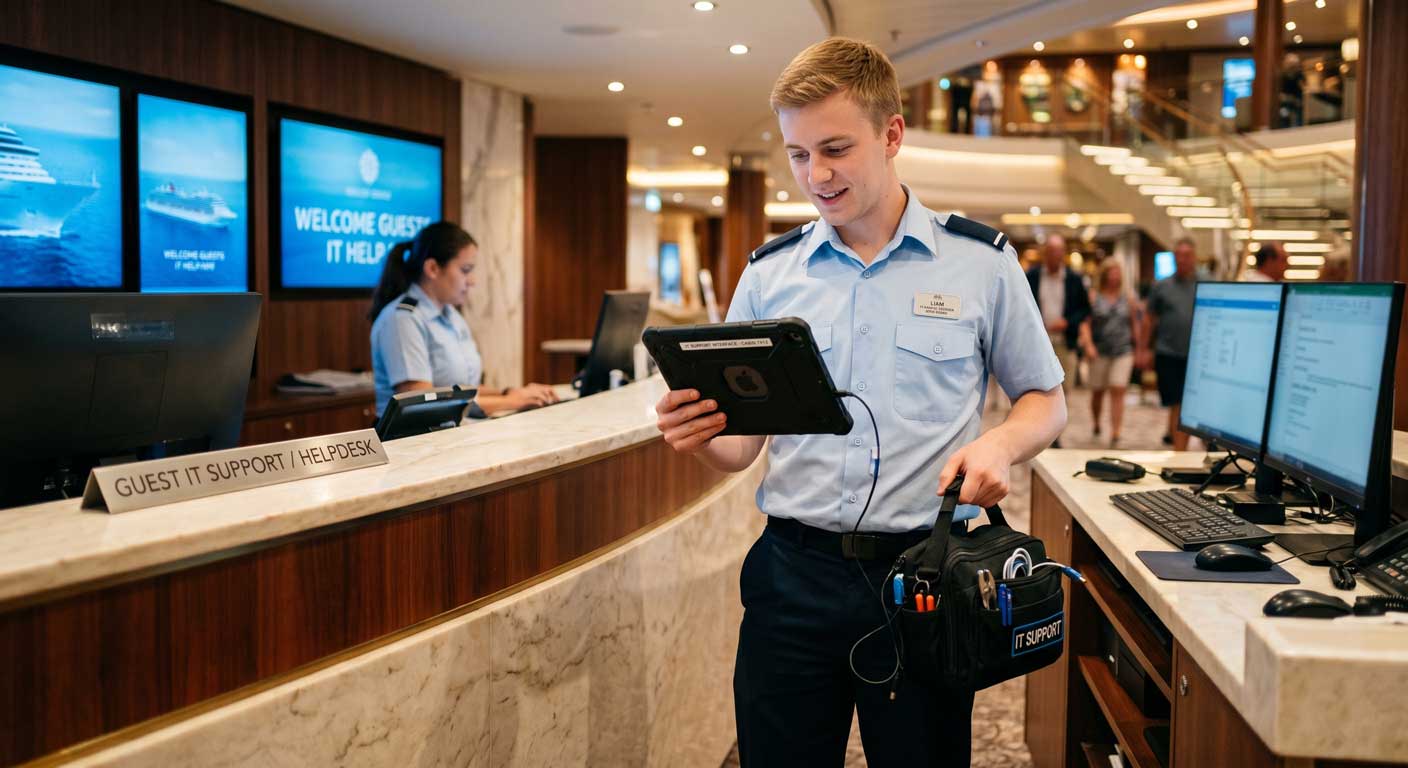
The foundation of onboard tech. You handle hardware maintenance, guest Wi-Fi troubleshooting, cabin TV systems, and daily helpdesk support for all departments.
Salary Growth in Onboard IT
Monthly salary ranges shown as a guide. Actual pay varies by cruise line, vessel size, technical certifications, and contract length.
Why IT Salaries Are Powerful
Onboard tech income offers superior value because your high-end technical salary is not eroded by the typical costs of shore-side living.
Your Tech Growth Potential
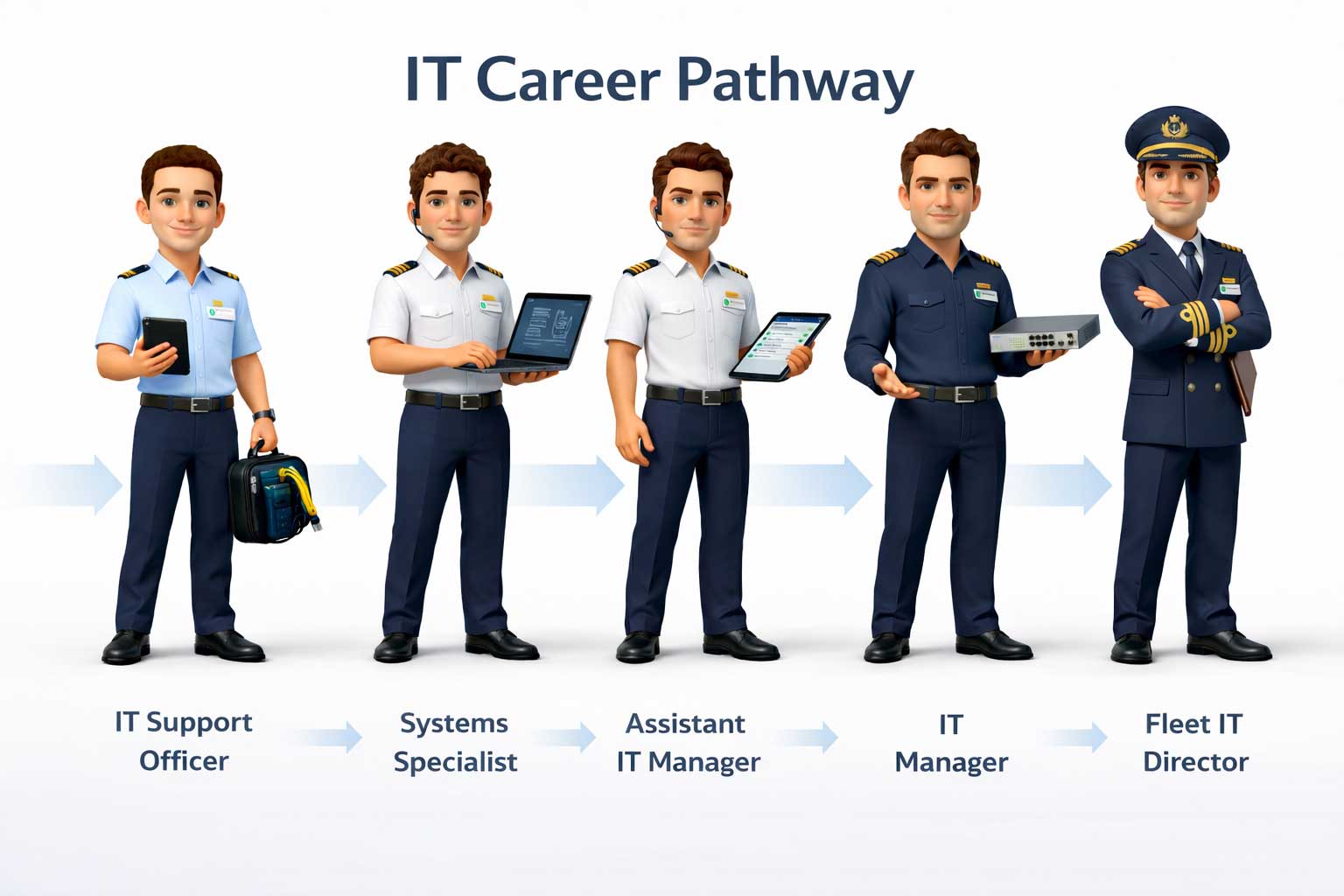
From entry-level support roles to senior fleet leadership, the earning journey for IT professionals onboard scales significantly with technical expertise and management scope.
How Fast Can You Grow in IT?
IT career progression onboard depends on your technical certifications, systems mastery, troubleshooting speed, and ability to support multi-departmental infrastructure.
What helps you move up faster?
At this stage, promotion follows those who close helpdesk tickets with high efficiency, show proactive maintenance habits, and master the ship’s specific Point of Sale (POS) and property management systems.
What changes at this level?
You shift from "fix-it" tasks to infrastructure management. You are expected to manage technical inventory, oversee system patches, and coordinate with shoreside technical teams during dry-dock upgrades.
What unlocks the next jump?
Moving to IT Manager requires visible leadership and disaster-recovery readiness. You must prove you can lead a team under pressure and maintain the Bridge and Engine Room’s digital operational standards.
What matters most at senior level?
Director-level promotions depend on strategic planning, budget management, fleet-wide standard operating procedures (SOPs), and the implementation of next-generation satellite and automation tech.
IT crew who hold current Cisco (CCNA), Microsoft, or Cyber-Security certifications often progress faster. Growth depends on technical reliability, your ability to handle emergency outages, and consistent feedback from the Hotel Director and Bridge officers.

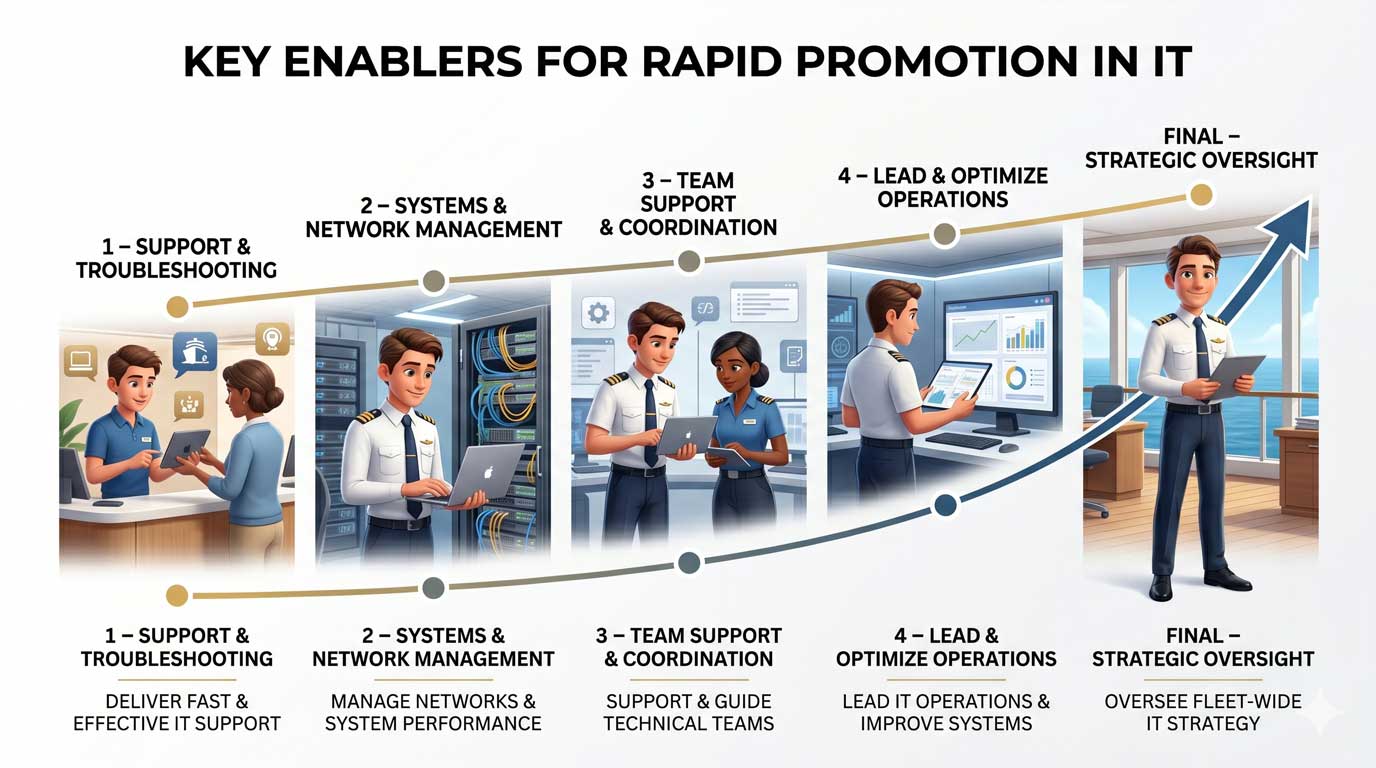
What Unlocks IT Promotion?
Advancing in the technical department is not just about fixing hardware. It is about proving you can maintain a 100% uptime environment at sea.
Why uptime matters
A cruise ship is a digital city. IT staff are judged by the stability of the vessel’s backbone—including VSAT connectivity, Bridge systems, and safety networks. Zero downtime builds the trust needed for management roles.
Why efficiency matters
Promotion follows specialists who can prioritize. Solving a high-impact Bridge or Engine Room issue before a minor guest request shows the professional judgment required for an Assistant IT Manager role.
Why security matters
Maritime cyber-security is a top priority for senior officers. Proving you can manage complex firewalls, secure guest Wi-Fi protocols, and prevent data breaches is essential for advancing to the IT Manager tier.
Why composure matters
When technology fails in the middle of the ocean, the team looks to IT. Leaders are those who remain focused, communicate clearly with the Bridge, and restore services methodically under extreme pressure.
Crew who hold current Cisco (CCNA), Microsoft Azure, or CompTIA Security+ certifications often bypass standard timelines. Showing a proactive attitude toward ongoing technical education is a major promotion signal.
Common Mistakes That Slow IT Promotion
Growth in maritime tech is not just about coding or hardware skills. Many IT officers stay in entry roles longer because of habits that impact system reliability and departmental trust.
The IT officers who grow fastest are those who treat documentation as vital, maintain zero-outage mindsets, and stay coachable as maritime technology continues to evolve.
How to Stand Out in IT
The technical officers who move up fastest are not just experts in code or hardware. They are proactive, reliable, secure-minded, and calm when critical systems fail at sea.
Why this stands out
A cruise ship is a mobile digital ecosystem. Showing deep technical knowledge of the vessel’s local area network (LAN) and satellite infrastructure builds high levels of trust. This professional authority makes you a primary candidate for specialist and management roles.
Why this stands out
Cyber security is mission-critical. Tech crew who maintain flawless security standards and stay ahead of corporate compliance requirements demonstrate the high level of discipline required to oversee fleet-wide operations as a manager.
Why this stands out
IT success is built on clear data. Showing absolute integrity with technical logs, spare parts management, and software licensing proves you are ready for the financial and operational accountability of senior tech leadership.
Why this stands out
Leadership is revealed during downtime. Being the officer who stays steady, organizes the recovery process, and supports other departments during tech failures shows that you can represent the IT department at an executive level.
When the IT Manager and Bridge Officers know they can rely on your troubleshooting speed and your professional composure, your growth accelerates. In cruise technology, trust is built through systems expertise, security discipline, and total reliability.
A Day in the Life of an IT Officer
Explore how a typical day onboard flows for the technical team, from system health checks to critical infrastructure support. Tap each stage to see what IT professionals are usually doing throughout the day at sea.
The digital day begins.
The IT team starts by reviewing server logs, satellite bandwidth performance, and security alerts from the night. Ensuring the Bridge and safety systems are fully synced is the first priority.

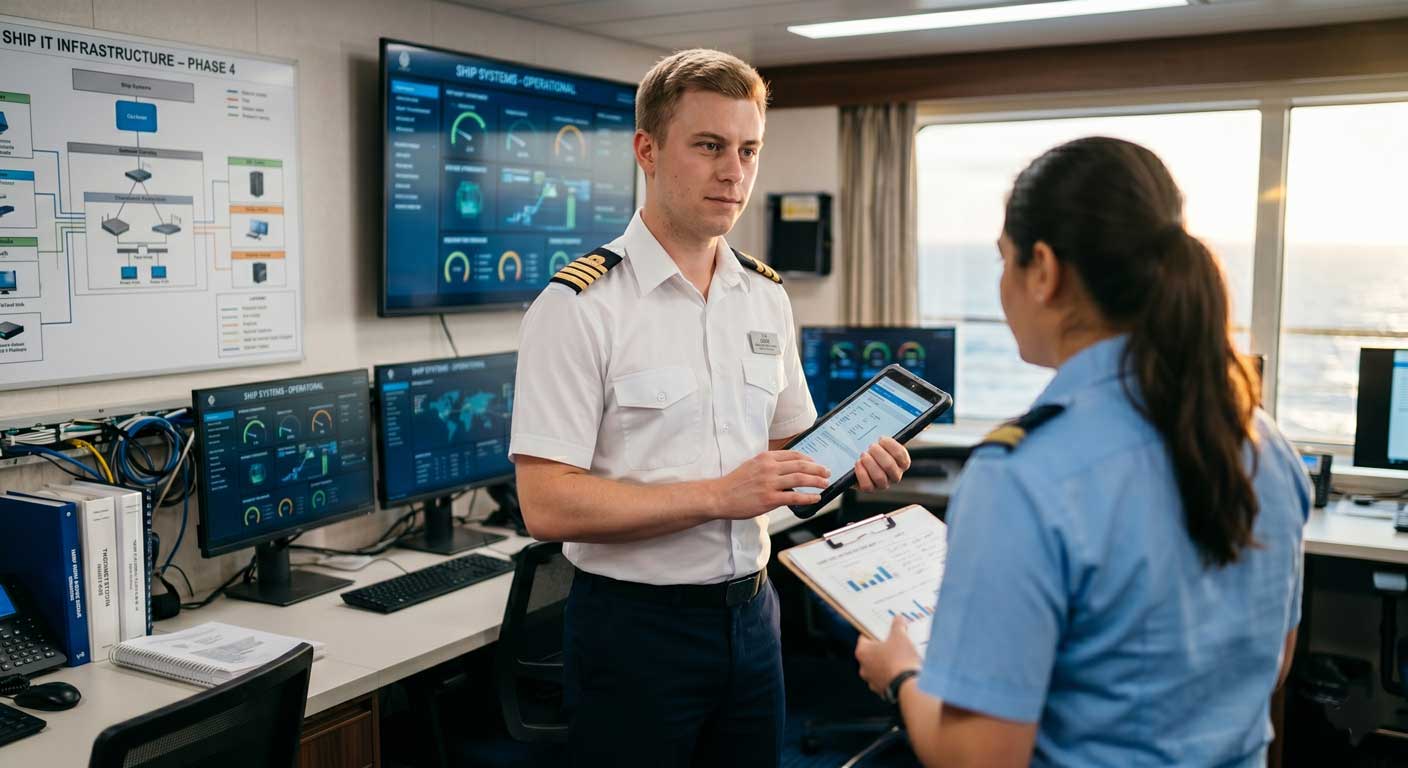
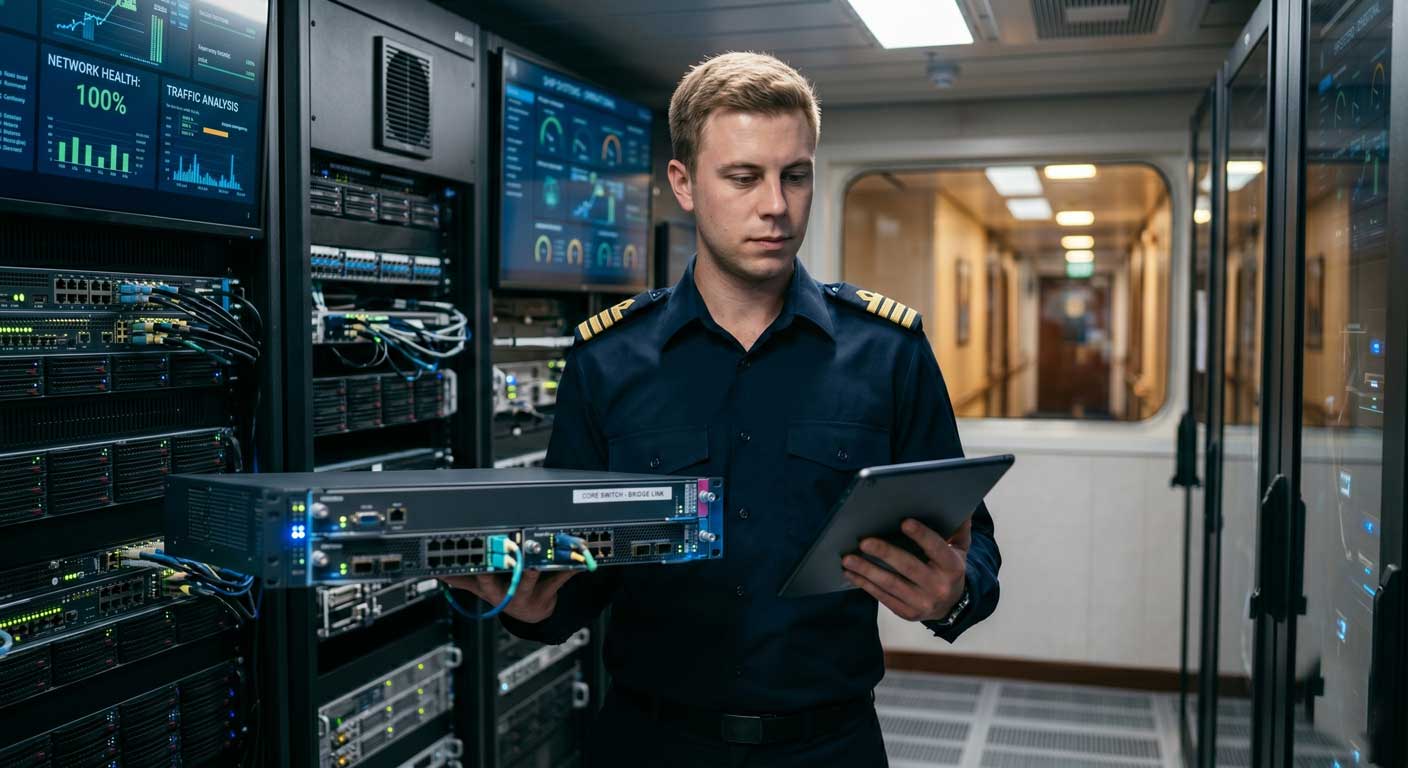
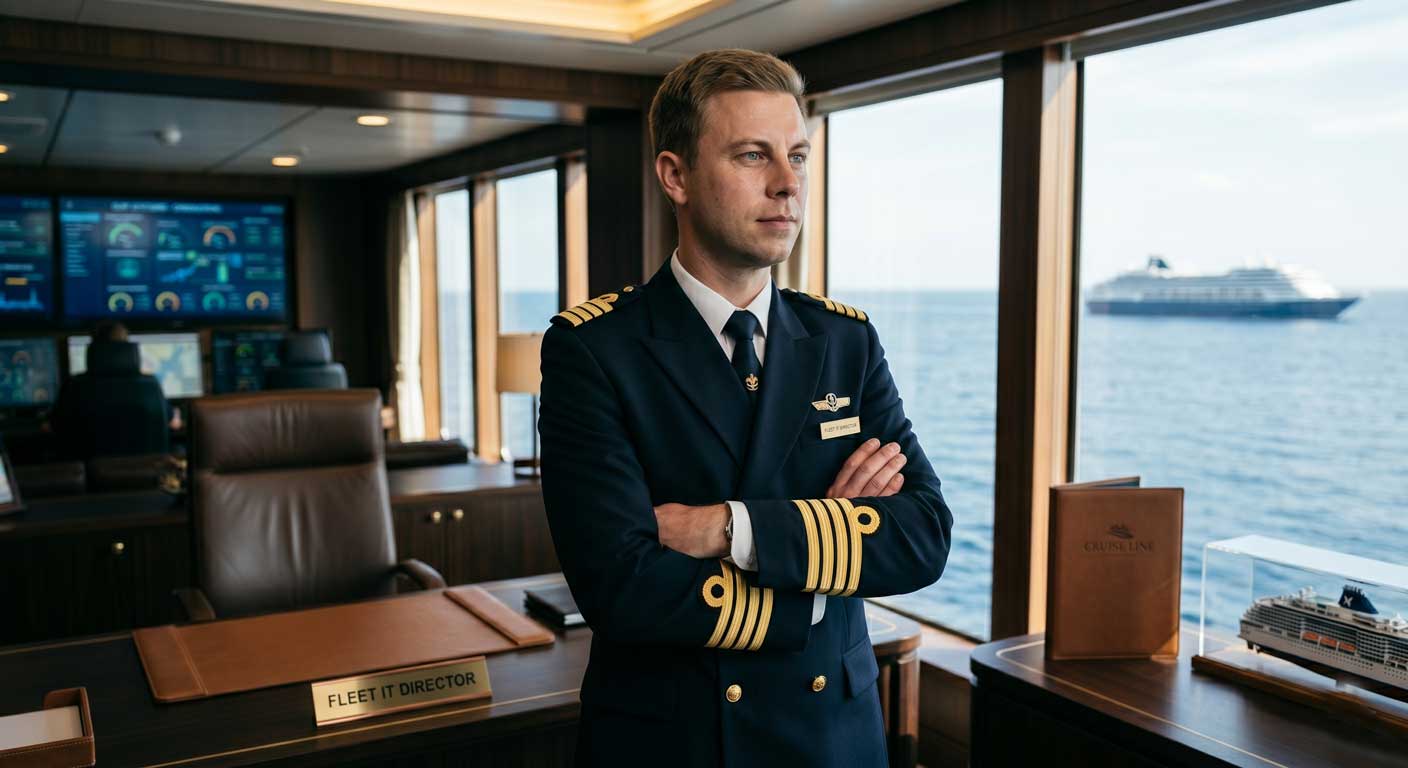

Ready to Start Your Cruise Ship IT Journey?
If you are serious about building a maritime technical career at sea, the next move is to take action. Explore open systems roles, apply for technical opportunities, or strengthen your profile before submitting your application.
The IT officers who move forward fastest are usually the ones who prepare properly, understand maritime network standards, and apply with confidence and realistic operational expectations.
Frequently Asked Questions About Cruise Ship IT Careers
These are the most common questions professionals ask when considering a move into maritime technical and systems roles.
How much do IT Officers earn on cruise ships?
What technical certifications are most valuable onboard?
Is IT considered an Officer rank onboard?
How does the IT department handle internet at sea?
Useful Pages for Future IT Officers
If you want to move from technical interest to professional action, these pages will help you understand luxury ship requirements, improve your tech profile, and prepare for a digital career at sea.