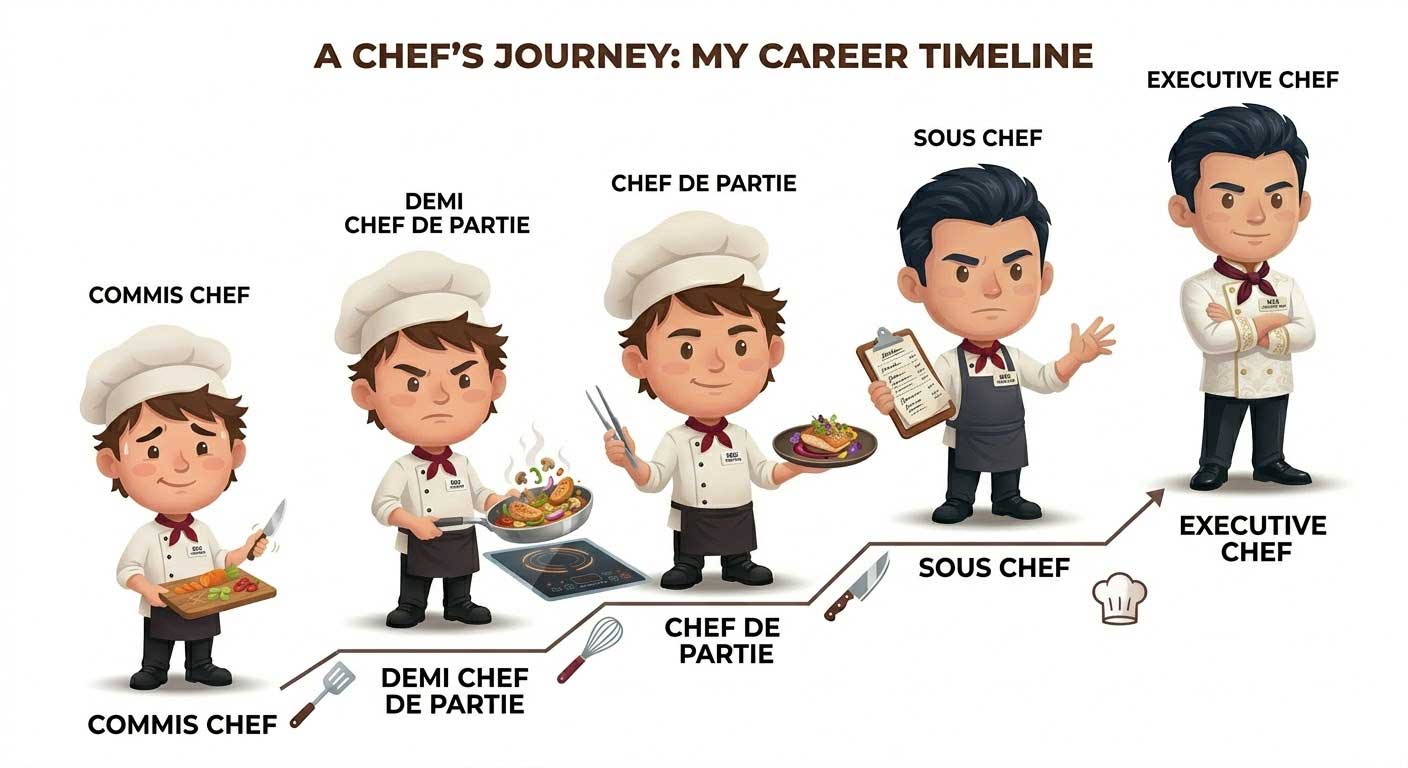
Hotel Maintenance Path

Explore the Maintenance Timeline at Sea

Drag the progress line or tap a stage to move through the technical journey, from entry-level Plumbing Assistant to managing the ship's entire Hotel Engineering department.

Assistant Plumber
Level 1

Assistant Plumber

Technical Entry
$1,200 – $1,800 / month

This is where you master the ship's complex vacuum systems and piping. You learn rapid response, tool discipline, safety protocols, and how to maintain thousands of guest stateroom facilities.

Asst Plumber
Plumber
Hotel Fitter
Asst Hotel Engineer
Hotel Engineer
Career Earnings

Salary Growth Across the Technical Path

Monthly salary ranges shown as a guide. Actual pay varies by company, vessel size, and the specific officer rank assigned to the technical role.

Salary range indicator
Relative progression to Hotel Engineer level
Salary Value

Why Technical Salaries Are Powerful

Onboard technical income offers superior value because your professional salary is protected from standard shore-side living expenses.

Living Costs Covered No monthly rent, property taxes, or utility bills draining your hard-earned salary.
Full Officer Board Maintenance and hotel engineering crew receive all meals onboard, removing your entire food budget.
Zero Commuting Overhead Daily transport, fuel, and vehicle maintenance costs are removed as you live at your technical station.
Maximum Saving Momentum Without daily overheads, a significantly higher percentage of your technical income can be saved or invested.
Financial Impact: A Plumber’s salary of $2,800 onboard often has the purchasing power of a $4,500 land-based role because your core technical lifestyle is entirely subsidized by the cruise line.
Career Growth

Technical Career Growth Potential

From entry-level technical assistant roles to senior hotel engineering leadership, the earning journey in maintenance scales dramatically with rank and responsibility.

Starting Point
$1,200
Typical assistant plumber entry range
UP TO 8X
salary growth across the technical path
The more you master maritime vacuum systems, mechanical engineering, and officer-level leadership, the stronger your technical earning potential becomes.
Promotion Path

How Fast Can You Grow in Maintenance?

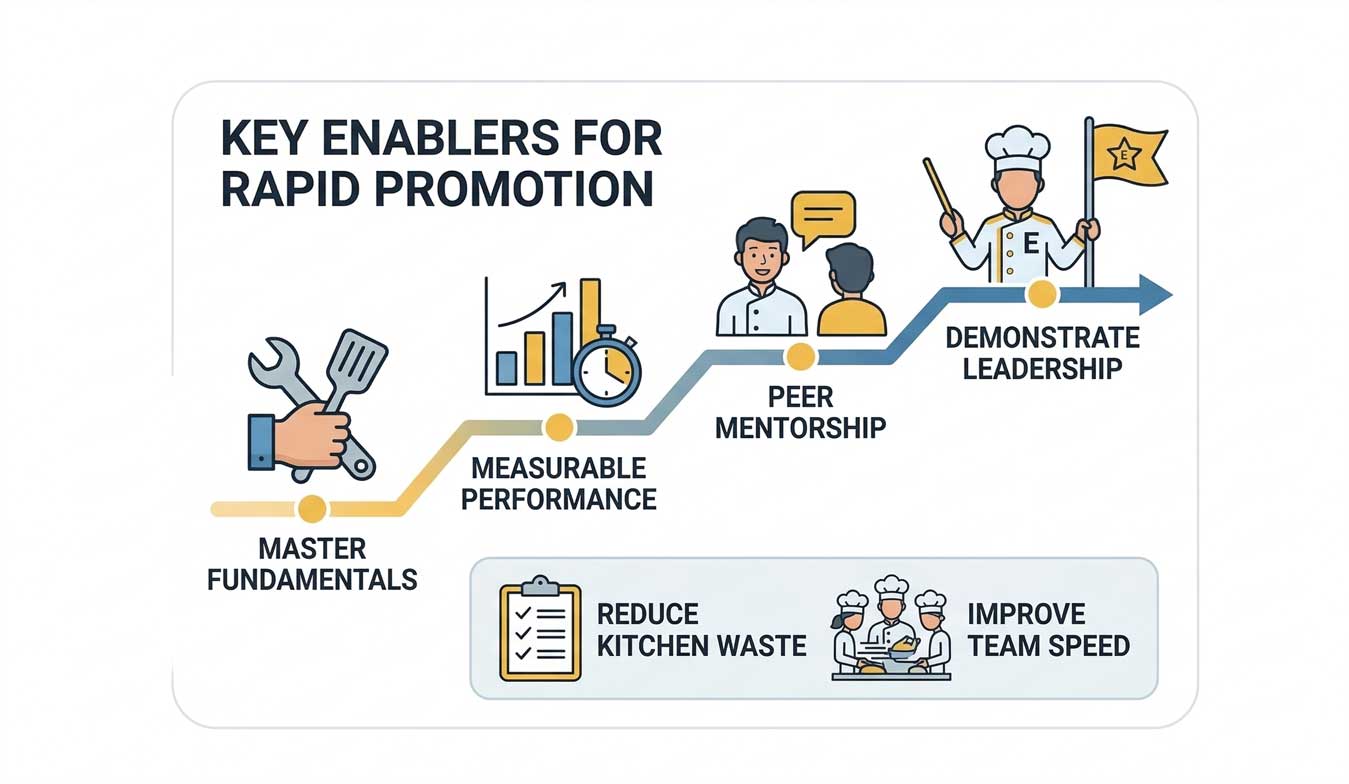
Career progression in hotel engineering depends on your technical machinery mastery, rapid response efficiency, and officer-level leadership onboard.

Asst Plumber → Plumber
1–2 contracts
Master vacuum system troubleshooting, pipefitting, and freshwater distribution safety.

What helps you move up faster?

Promotion at this stage comes from proving you can handle high-priority guest stateroom repairs independently, maintaining a flawless tool inventory, and showing absolute reliability during "Black Water" emergencies.

Plumber → Hotel Fitter
2–3 years
Expand your skills into welding, mechanical fabrication, and industrial galley maintenance.

What changes at this level?

You are expected to bridge the gap between plumbing and general engineering. Success depends on your ability to repair complex hotel assets like pool filtration systems and laundry machinery without supervision.

Hotel Fitter → Asst Hotel Engineer
4–5 years
Step into technical management, overseeing shift work orders and departmental safety compliance.

What unlocks the next jump?

Moving into an officer-level leadership role requires administrative precision, the ability to manage a team of multi-national fitters, and proficiency in the ship's Planned Maintenance System (PMS).

Asst Engineer → Hotel Engineer
7–10 years
Lead the full technical operation, manage multi-million dollar budgets, and drive hotel integrity.

What matters most at senior level?

Senior hotel engineering roles depend on project management skills, environmental compliance (MARPOL), long-term asset planning, and effective collaboration with the Staff Captain and Hotel Director.

Fast-track promotions can happen onboard.

Crew who show advanced technical certifications, strong diagnostic speed, leadership potential, and the right officer attitude can progress faster than the standard timeline. Growth depends on technical performance, vacancies, and maritime safety discipline.

What Matters

What Unlocks Maintenance Promotion?

Advancing in Hotel Maintenance isn’t just about the number of contracts. It’s about proving you can manage complex systems and high-priority technical safety.

System Diagnostic Speed Identify and solve technical failures rapidly across the vessel.

Why diagnostic speed matters

In maritime maintenance, time is of the essence. Promotion is granted to those who can quickly diagnose vacuum system blocks or mechanical failures, minimizing guest impact and maintaining the technical integrity of the staterooms.

Technical Compliance Master MARPOL, safety management systems, and work logs.

Why compliance matters

A senior technician must be an expert in environmental and safety regulations. You must understand technical work orders, inventory management, and ensure all repairs meet strict maritime legislative and safety standards.

Independent Execution Complete complex fit-out tasks without constant supervision.

Why independent execution matters

Promotion to officer-level maintenance roles requires proving you can lead a project, from welding to pipefitting, and deliver high-quality results while working independently across different decks.

Professional Reliability Be the person the Hotel Engineer trusts during technical emergencies.

Why reliability matters

A strong technical attitude separates average fitters from future leaders. Being punctual, disciplined, and maintaining professional officer-level standards builds the trust necessary for fast-track growth.

Fast-track technical promotions are possible.

Crew who show advanced technical diagnostic skills, absolute reliability, and a proactive leadership attitude can often move into senior fitter or officer roles faster than the standard maritime timeline.

Avoid These Mistakes

Common Mistakes That Slow Maintenance Promotion

Growth onboard is not only about technical knowledge. Many technicians stay in the same position longer because of small habits that reduce trust, safety consistency, and leadership confidence.

01
Waiting to Be Assigned Every Task Assistant fitters who only react to work orders instead of checking systems proactively often grow slower. Senior engineers notice who identifies leaks early and manages their tools and area.
02
Poor Diagnostic Consistency Fixing a system correctly one day and taking shortcuts the next makes it harder to build trust. Promotion usually follows technical staff who deliver steady, high-quality repairs every shift.
03
Getting Flustered During Emergencies A major pipe burst or vacuum failure reveals a lot. If your diagnostic speed or safety focus drops badly under pressure, leaders may hesitate to increase your technical responsibility.
04
Ignoring Safety Feedback Crew who resist correction on PPE usage or repeat machinery handling mistakes can stay stuck. Growth happens faster when technical feedback is taken seriously and safety improvements are visible.
05
Weak Tool and Workshop Control Technical ability matters, but poor workshop cleanliness, lost tools, and lack of organization damage confidence quickly in a professional maritime engineering environment.
06
Acting Like Leadership Is Only About Skill Promotion is also about reliability, reporting accuracy, and how well you work with the deck team. Leadership potential is often noticed by how you guide junior fitters.
Stand Out Faster

How to Stand Out in Hotel Maintenance

The technical crew who move up fastest are not just handy. They are proactive diagnostic experts, safety-focused, disciplined, and trusted when a system fails.

Hover over each point to see what helps technical crew stand out more clearly onboard.
01
Own Your Technical Station Keep your workshop and tools organized and ready. Senior engineers notice who takes pride in their equipment maintenance.

Why this stands out

Owning your station shows mechanical discipline. It means your tools are inventoried, your workbench is clean, and your spare parts are organized before the next emergency call. That kind of ownership builds engineering trust quickly.

02
Stay Calm During System Failures During major vacuum or piping issues, technical composure matters. The crew who stay steady and methodical are trusted with more rank.

Why this stands out

Emergencies reveal technical maturity. When a section of the ship is down, fitters who stay calm, follow safety protocols, and diagnose accurately are seen as the strongest candidates for future leadership roles.

03
Ask for Technical Feedback Growth is faster when you learn systems actively. Seek feedback on your repairs and show you are serious about maritime engineering.

Why this stands out

Crew who ask for feedback show coachability. They usually master the ship’s complex schematics faster and correction of mistakes happens earlier, making it easier for the Chief Engineer to invest time in them.

04
Be Reliable on Every Work Order Consistency builds trust. Closing work orders on time and accurately is what separates future officers from everyone else.

Why this stands out

Reliability is the strongest promotion signal in maintenance. Being punctual for "stand-by" and steady on repairs shows that the Hotel Engineer can count on you when stateroom standards and safety matter most.

Day in the Life

A Day in the Life of a Hotel Maintenance Crew Member

Explore how a typical technical shift flows onboard, from morning inspections to emergency rapid response. Tap each stage to see what plumbers and hotel fitters are doing throughout a day at sea.

Morning Briefing & Safety

Technical alignment begins.

The technical team meets to review work orders from the night shift. Plumbers and fitters check their tool kits, receive safety briefings, and align on high-priority repairs in guest areas.

Briefing Tool check Safety PPE Work orders
Main Focus
Strategy & Readiness
Pressure Level
Low
What Matters Most
Clear communication of priorities and ensuring all technical safety gear is ready.
Take the Next Step

Ready to Start Your Cruise Ship Maintenance Journey?

If you are serious about building a technical engineering career at sea, the next move is to take action. Explore open plumbing and fitter roles, apply for technical positions, or strengthen your maritime profile before submitting your application.

Strong applications start before the interview.

The technicians who move forward fastest are usually the ones who prepare properly, document their certifications well, and apply with a professional officer-level mindset regarding safety and reliability.

Maintenance FAQ

Frequently Asked Questions About Maintenance Careers

These are some of the most common questions professionals ask when considering a technical engineering career or hotel maintenance role at sea.

How much does a cruise ship plumber earn?
Pay varies by company, vessel size, and technical rank. Entry-level assistant plumbers earn professional technical salaries, while senior Hotel Engineers earn significantly more because of their officer status, multi-departmental responsibility, and leadership of the entire technical facility.
How long does it take to become a Hotel Engineer?
There is no fixed timeline. Career growth depends on your technical diagnostic mastery, performance during dry docks, leadership ability, and whether officer-level vacancies are available within the ship’s engineering department.
What helps technical staff get promoted onboard?
Promotion usually follows technical trust. System diagnostic speed, mastery of maritime safety management systems (SMS), professional discipline, and the ability to perform under the high pressure of mechanical emergencies are the biggest factors senior officers notice.
Do maintenance crew save more money than land-based technicians?
Most do, because major costs like onboard accommodation, technical uniforms, and meals are covered. For maintenance staff, the ability to save is high because your salary is protected from shore-side overheads like commuting costs, rent, and daily food expenses.
Scroll to Top