what matters most is More InformationMore InformationUnderstand Your Contractwhat matters most is HOW YOU SIGN YOUR CONTRACTOne Decision Changes EverythingUnderstand Every Detail Before You CommitMore InformationMore InformationYour Contract And Performance MatterYour Future Depends On Your Appraisal...Crew
Contracts
Explained0{{current_slide_index}}facebookinstagramdribbble0{{total_slide_count}}
Crew Contracts Explained
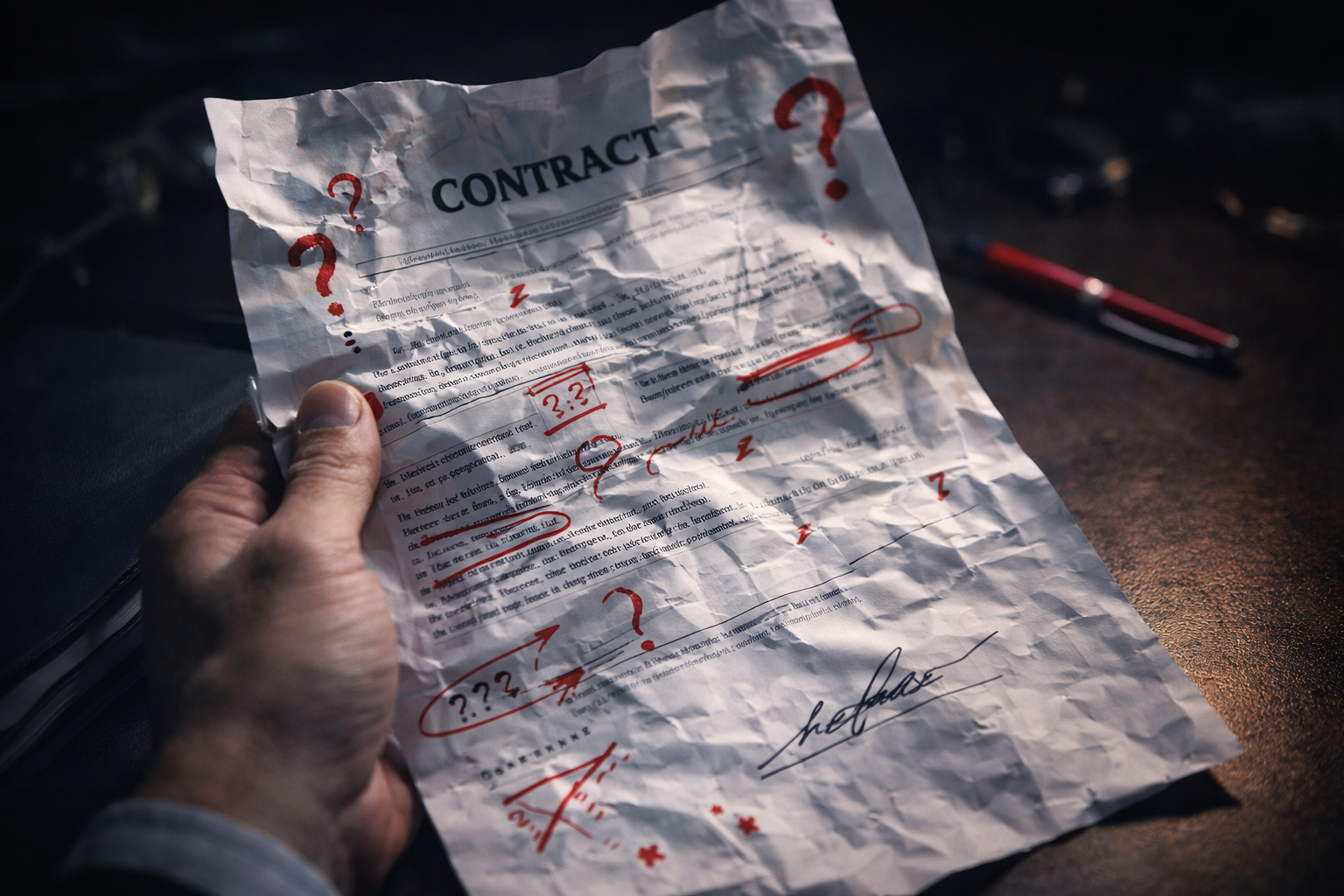
Cruise ship contracts can feel confusing when you are trying to understand how long you will stay onboard, how leave works, what rotation means, whether you can be promoted, and what rights you have if something goes wrong. This guide explains the most important parts of crew contracts in clear language so you can understand what to expect before you sign, during your contract, and when your assignment ends.
Cruise ship contracts are usually fixed-term assignments, meaning you join the ship for a specific period rather than working continuously like a land-based job. The exact length of a contract depends on the cruise line, department, position, and operational needs of the vessel.
In most cases, crew contracts typically range between 4 and 9 months, although some roles may be shorter or longer depending on the company and the nature of the job. Entry-level and hotel department roles often follow standard assignment lengths, while technical, senior, or specialist roles may have different contract structures.
Unlike traditional jobs on land, cruise ship employment is usually based on a rotation system. This means you complete your full contract onboard first, and then take your time off (leave) after signing off the vessel, rather than working fixed weekly schedules with weekends off.
What This Means For You
When you accept a cruise ship contract, you are committing to:
Staying onboard for the full contract period
Working according to the ship’s schedule and operational demands
Completing your duties until your sign-off date or approved relief
Taking your main leave period after the contract ends
Because of this structure, it is very important to understand your contract fully before signing.
What Can Affect Your Contract Length
Your contract length is not always the same for everyone. It can vary based on:
Your position and rank
The department you are working in (e.g. Galley, Housekeeping, Deck, Technical)
The cruise line or brand
The ship itinerary and operational needs
Whether you are new crew or returning crew
Any extensions or early relief arrangements
Can A Contract Be Extended Or Shortened?
Yes, in some situations your contract may change:
Extensions can happen if your replacement is delayed or the ship needs additional support
Early sign-off may be approved due to medical, personal, or operational reasons
Some contracts include flexibility depending on the company and situation
However, any changes should always be communicated and agreed properly through official channels onboard.
Important Tip Before You Sign
Always check and confirm:
Your contract start date and expected end date
Your position title and department
Your salary and payment structure
Your leave period after sign-off
Your repatriation arrangements
Understanding these details clearly will help you avoid confusion and ensure you know exactly what you are committing to.
What is rotation?
Rotation is how your work and time off are structured on a cruise ship. Instead of
working weekly schedules, you complete your contract onboard and take your leave after signing off.
1
Sign-On
Join the ship and begin your contract.
2
Work Onboard
Follow the ship’s schedule and duties.
3
Sign-Off
Complete your contract and leave the ship.
4
Leave Period
Rest and spend time at home.
5
Rejoin
Return for your next contract.
Important: Your main time off comes after your contract, not during it.
How Vacation Works Onboard
Instead of weekends or fixed days off, cruise ship employment follows this structure:
You complete your full contract onboard
You then sign off the ship
Your vacation or leave period begins after sign-off
This means your “time off” is usually taken in one block rather than spread out weekly.
Is Vacation Paid?
After completing your contract, your leave period may:
Last a few weeks or several months depending on your role
Be unpaid, partially paid, or included in your salary package
Allow you to rest, travel, or prepare for your next contract
Be followed by a renewal or new assignment
What This Means For You
Working on a cruise ship means:
You may work long periods without traditional weekends
Your main rest period comes after your contract
You need to plan your finances during leave
Your time off can be longer and more flexible than land jobs
Important To Check
Is your leave paid or included in salary?
How long is your leave period?
When will you return for your next contract?
Tip: Your real “vacation” happens after your contract, not during it.
Crew Safety Check
CHECK IF YOUR CREW CONTRACT LOOKS SUSPICIOUS
Use this screening tool to check for common warning signs in a crew contract.
This tool does not confirm whether a contract is real or fake. It helps you
spot missing details, risk flags, and issues that may need further verification.
Important: This is a risk screening tool only. It does not replace
legal review, official verification, or direct confirmation with the employer,
cruise line, or licensed recruitment agency.
Crew Life At Sea
CREW CONTRACTS EXPLAINED
Understand How Crew Contracts Work On Cruise Ships, Including Contract Length,
Rotation, Vacation Periods, Promotions, Performance Reviews, Renewals,
Repatriation, And What To Check Before You Sign.
Contract Length
Crew Contracts Usually Run For A Fixed Assignment Period...
Rotation
Rotation Means Your Working Period Onboard Followed By Leave...
Vacation Periods
Many Crew Members Do Not Take Weekly Days Off...
Promotions
Promotions Normally Depend On Performance...
CONTRACT LENGTH EXPLAINED
Contract details depend on role, department, and company...
Important: Always check start date, salary, ship, and terms.
BEFORE YOU SIGN ANY CREW CONTRACT
NEED HELP?
Speak to a trusted recruiter before signing any contract.